
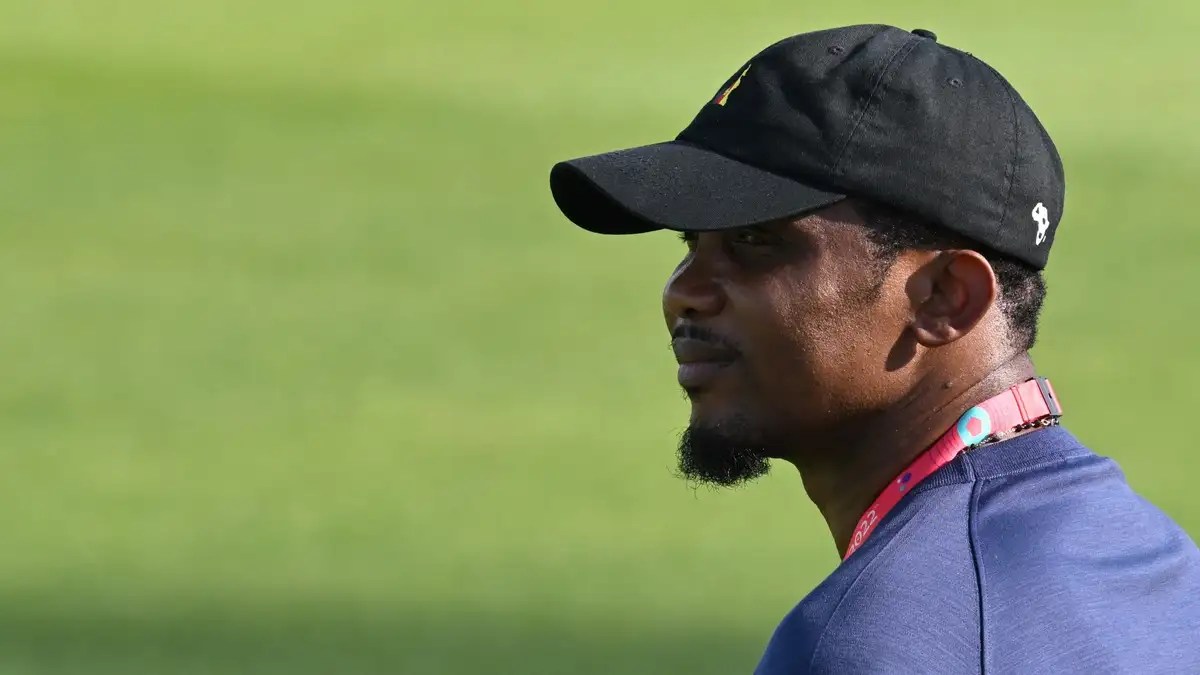
The situation surrounding Samuel Eto’o’s resignation as president of the Cameroon football federation (Fecafoot) has garnered significant attention amidst allegations of improper conduct and corruption. The former Barcelona striker tendered his resignation following Cameroon’s disappointing AFCON last-16 exit at the hands of Nigeria. Despite offering to step down during an executive committee meeting called to assess the failed AFCON campaign and urging other Fecafoot members to consider doing the same, Eto’o’s resignation was ultimately rejected by Fecafoot.
In a statement, Fecafoot confirmed the rejection of Eto’o’s resignation, expressing their decision to maintain the current mandates of the executive committee members and renew their confidence in him to continue the reconstruction and development of Cameroon football as outlined in his plan adopted by the elective general assembly of Dec. 11, 2021. This decision comes amidst serious allegations facing Eto’o, including claims of match-fixing, abuse of power, physical threats, inciting violence, and spreading false information, as reported by The Athletic. These allegations have prompted investigations by FIFA and the Confederation of African Football (CAF), as well as an existing investigation by CAF over claims from several Cameroonian football stakeholders.
It is worth noting that Eto’o, a prolific figure in Cameroonian football, is presumed innocent until an appropriate judicial body concludes otherwise. Throughout his career as a full Cameroon international, Eto’o made significant contributions, including scoring 56 goals in 118 appearances and representing his country at four World Cups. He also holds the record for the most African Player of the Year awards, totaling four accolades. This complex situation has undoubtedly captured the attention of football enthusiasts and stakeholders, sparking ongoing discussions and investigations into the allegations surrounding Eto’o’s leadership at Fecafoot.
 World of sports
Leave a comment