
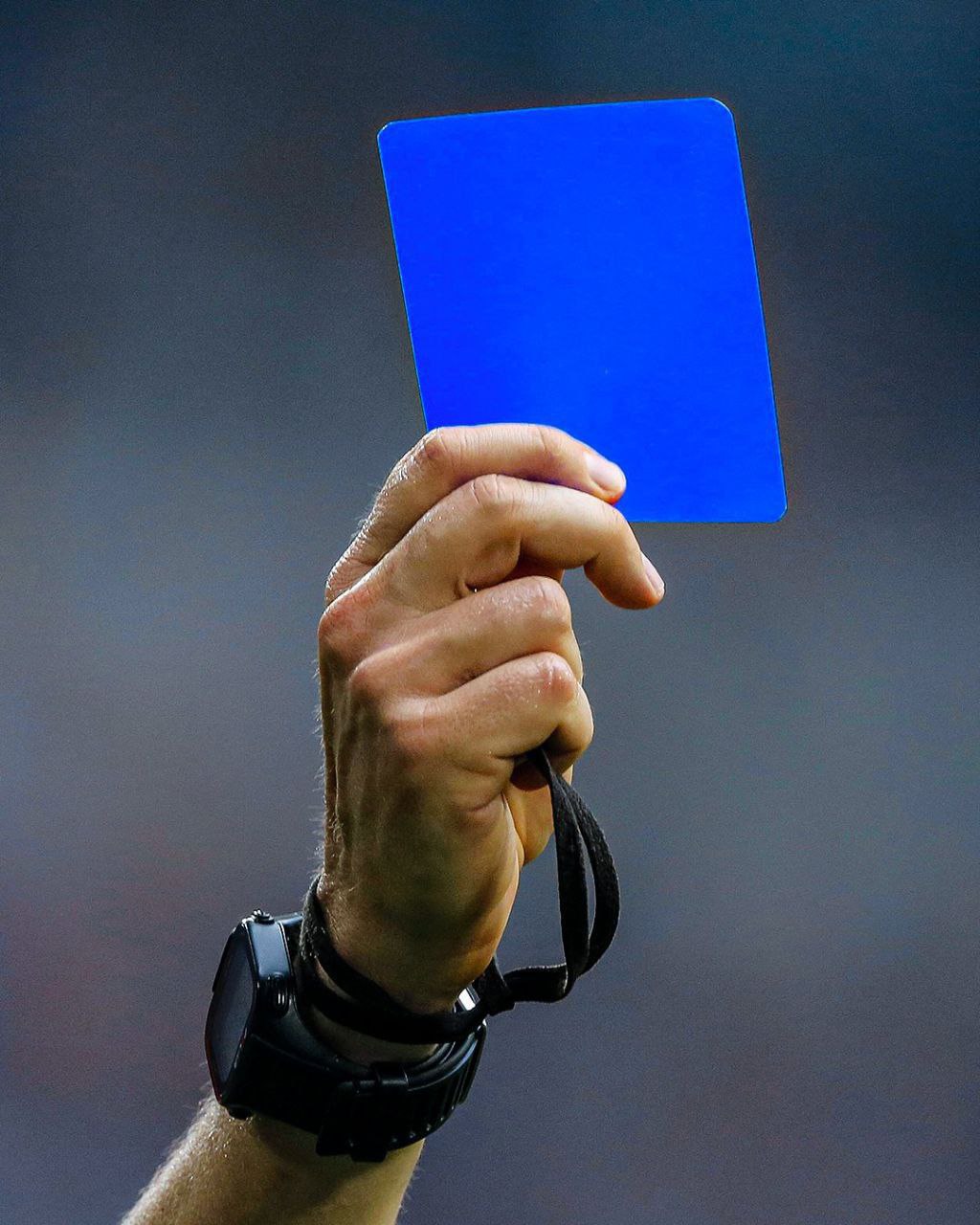
The introduction of blue cards by the International Football Association Board (IFAB) marks a significant development in football regulations. The implementation of sin bins, allowing referees to send off players for 10 minutes for dissent or cynical fouls, is poised to bring about a transformative change in the game. The possibility of including a provision for blue cards in the detailed protocols for sin-bin trials signifies a concerted effort to address disciplinary issues on the field.
It’s noteworthy that the IFAB is set to give the green light for extended sin-bin trials in senior levels of the game at its annual meeting in March, emphasizing the importance attributed to these measures. Furthermore, the consideration of trialling sin bins in the prestigious FA Cup and Women’s FA Cup by The Football Association reflects a commitment to exploring and evaluating the impact of these regulations across different levels of competition.
However, it’s important to highlight that there are differing perspectives on the use of sin bins in football. While the proposed trials have garnered support from various quarters, including trials at amateur and youth football levels in England and Wales, there remain reservations from figures such as UEFA president Aleksander Ceferin, who expressed strong opposition to the implementation of sin bins. The contrast in opinions underscores the complexity surrounding the introduction of new disciplinary measures in football.
The forthcoming IFAB annual general meeting in Glasgow, where proposed regulations will be deliberated upon, is poised to be a pivotal event in shaping the future of football. The discussions surrounding sin bins and the captain’s role in approaching the referee for certain game situations are indicative of the ongoing efforts to refine and enhance the sport’s regulations. As the football community awaits the outcomes of these deliberations, there is palpable anticipation regarding the potential impact of these proposed changes on the game.
 World of sports
Leave a comment