
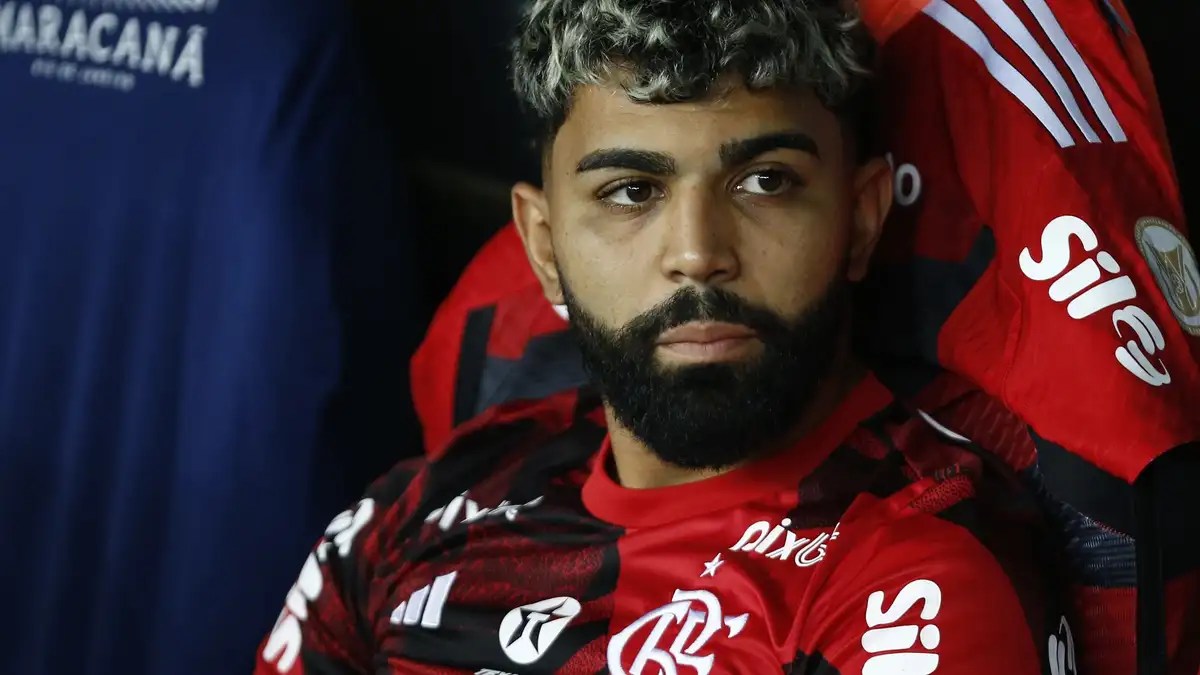
The case of Flamengo and Brazil striker Gabriel Barbosa, also known as Gabigol, has sparked widespread debate and controversy throughout the football world. The severity of the two-year ban imposed on the 27-year-old forward for committing anti-doping fraud has raised questions and concerns among fans, players, and officials alike.
The detailed account of the events leading up to the ruling sheds light on the specific circumstances that led to the ban. It was revealed that Gabigol was found to have committed “fraud or attempted fraud of any part of the control process” of doping, which signifies a deliberate effort to thwart the anti-doping testing process. The court’s ruling, as reported by Globo, highlighted the deliberate nature of Gabigol’s actions, including the delay in taking an anti-doping test and the subsequent disregard for procedures and instructions during the examination. The testimonies of seven witnesses, along with Gabigol’s own statement, further contributed to the decision, resulting in a 5:4 vote against the Flamengo star.
In response to the ruling, Clube de Regatas do Flamengo released a statement expressing surprise at the decision and announcing its intention to support Gabigol in appealing to the Court of Arbitration for Sport (CAS). The club vehemently contested the notion of any fraudulent or attempted fraudulent behavior on the part of the player, emphasizing its commitment to assisting Gabigol in seeking a fair and just resolution to the situation.
The potential implications of the ban, including its impact on Gabigol’s career and the team dynamics at Flamengo, have been extensively discussed in the football community. The looming prospect of a two-year absence from the game, if the appeal is denied, has brought uncertainty and speculation regarding the player’s future and the ongoing legal proceedings.
Furthermore, the intricacies of the timeline related to the ban, with the end date set for April 8, 2025, have been a point of interest. The explanation provided by Globo regarding the calculation of the ban’s duration, in relation to the date of the ruling and the original anti-doping tests in question, has been a topic of analysis and interpretation.
As the football world awaits the outcome of Gabigol’s appeal and the potential ramifications of the ban, the case continues to generate intense scrutiny and debate, underscoring the broader significance of upholding integrity and ethical standards within the sport.
 World of sports
Leave a comment