
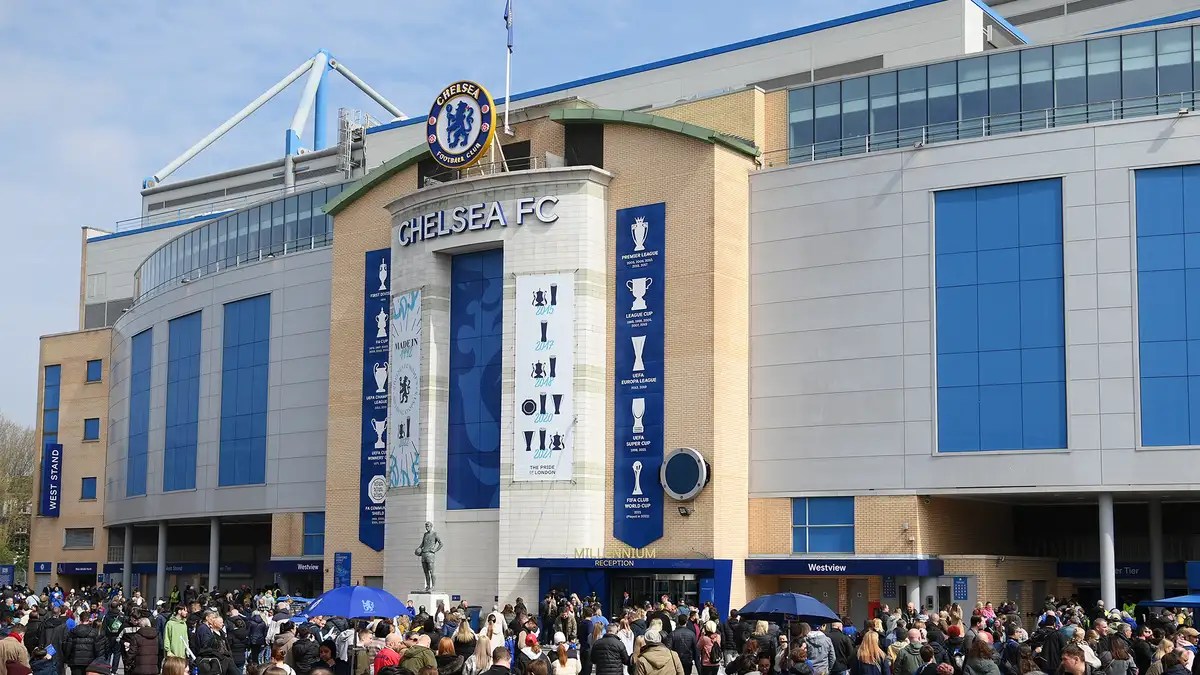
Chelsea recently generated attention by bolstering their financial situation through the sale of two hotels for a substantial sum of £76.5m (€88.7m/$94.6m). This transaction has prompted strong reactions from rival clubs, with reports from The Guardian indicating that it has been met with “exasperation” and raised eyebrows. The sale, which involved Chelsea FC Holdings Ltd and Blueco 22 Properties Ltd (both subsidiaries of Chelsea’s holding company, Blueco 22 Ltd), played a significant role in offsetting the club’s reported losses of £89.9m (€104.3m/$111.2m) in the previous financial year, subsequently reducing the figure to £166.4m (€193m/$205.8m).
While the Premier League did not intervene in this hotel sale, Chelsea’s utilization of a particular loophole has sparked skepticism and incredulity from certain quarters, as expressed by an unnamed club executive. This financial maneuvering has come under increased scrutiny following the ownership transfer to Todd Boehly and Clearlake Capital in 2022, especially considering the substantial investments made in player transfers, amounting to over £1 billion.
The hotels concerned in this sale were originally established as part of the Chelsea village project, which was finalized in 2001 during Ken Bates’ ownership. Despite initially being marked for demolition as part of an extensive stadium redevelopment following Roman Abramovich’s acquisition of the club, these plans were ultimately abandoned.
Amidst the ongoing off-field scrutiny surrounding Chelsea’s financial activities, attention now shifts to the on-field action, as Mauricio Pochettino’s side endeavors to secure a place in yet another domestic final by facing Manchester City in an FA Cup semi-final at Wembley on Saturday.
 World of sports
Leave a comment