
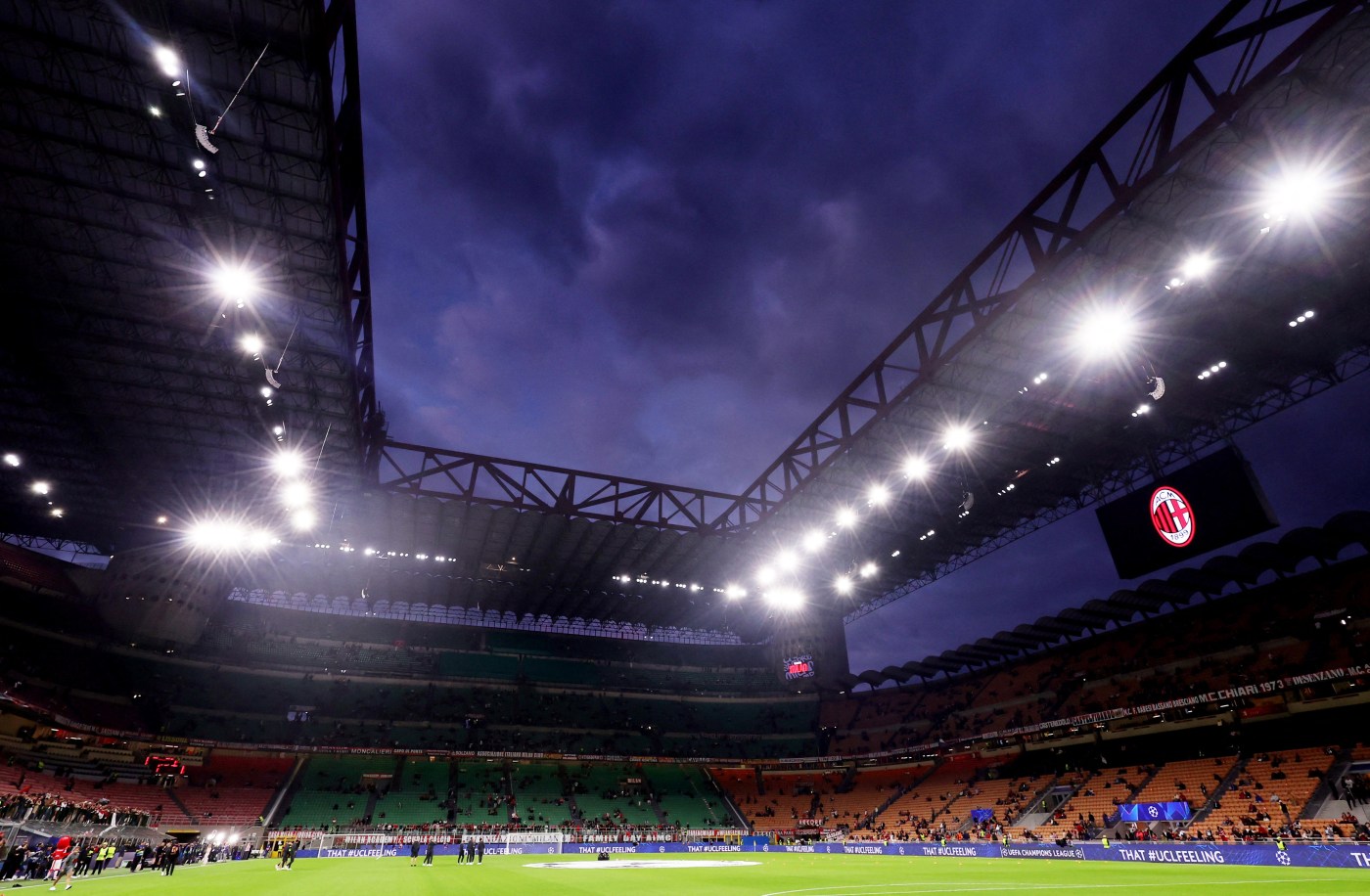
Uefa has re-opened the bidding for stadiums to host the highly anticipated 2027 Champions League final, after the prestigious event was stripped from Milan. The initial plan was for the San Siro Stadium, a historic venue with a rich football history, to be the stage for this showcase final. However, concerns were raised when Milan officials could not provide guarantees to Uefa that the proposed redevelopment work on the stadium would not disrupt the preparations or affect the logistics required for such a significant event. Consequently, European football’s governing body made the decisive choice to withdraw the hosting rights from Milan.
In light of this, both AC Milan and Inter Milan are actively exploring the possibility of constructing a new stadium in the vicinity of the current San Siro area. This initiative reflects their commitment to creating a modern venue that can cater to both clubs’ needs while ensuring that they remain competitive on the European stage.
The announcement of the new host stadium for the 2027 Champions League final is anticipated to be made in May or June of 2025, a timeline that allows Uefa ample time to evaluate potential venues across Europe. This decision comes in conjunction with various other considerations discussed during a recently held meeting of the Uefa Executive Committee, where some important changes to the organisation’s solidarity funding were established.
In a notable move, the ‘big five’ European leagues – which include the Premier League, La Liga, Ligue 1, Serie A, and the Bundesliga – have come to an agreement to cap their solidarity payments at 10 million euros (approximately £8.3 million) per season, extending this arrangement up to and including the 2026-27 season. This marks an increase of 1.5 million euros compared to the previous cycle. However, an important aspect of this arrangement is that the total funds to be shared have seen a substantial rise, growing from 177.2 million euros (£147.4 million) in the previous cycle to an impressive 308 million euros (£256.3 million) this time around.
These solidarity funds are primarily allocated to clubs that do not participate in European competitions, ensuring that they receive crucial financial support. Uefa has explained that the purpose of these funds is to bolster competitive balance across Europe’s top division leagues. This is particularly important in an era where certain clubs thrive on additional revenue streams generated by their participation in European competitions. By facilitating this financial assistance, Uefa aims to promote a more equitable playing field for all clubs, regardless of their European involvement.
The meeting also addressed Uefa’s evolving strategy for women’s football, which is set to outline its vision for the years 2024 to 2030. Although the specifics of this strategy are yet to be disclosed, it underscores Uefa’s commitment to enhancing the profile and support for women’s football, an area that has been growing in visibility and importance in recent years. As the organization moves forward, the implications of these decisions are likely to resonate throughout European football, influencing both the men’s and women’s games in the years to come.
 World of sports
Leave a comment