
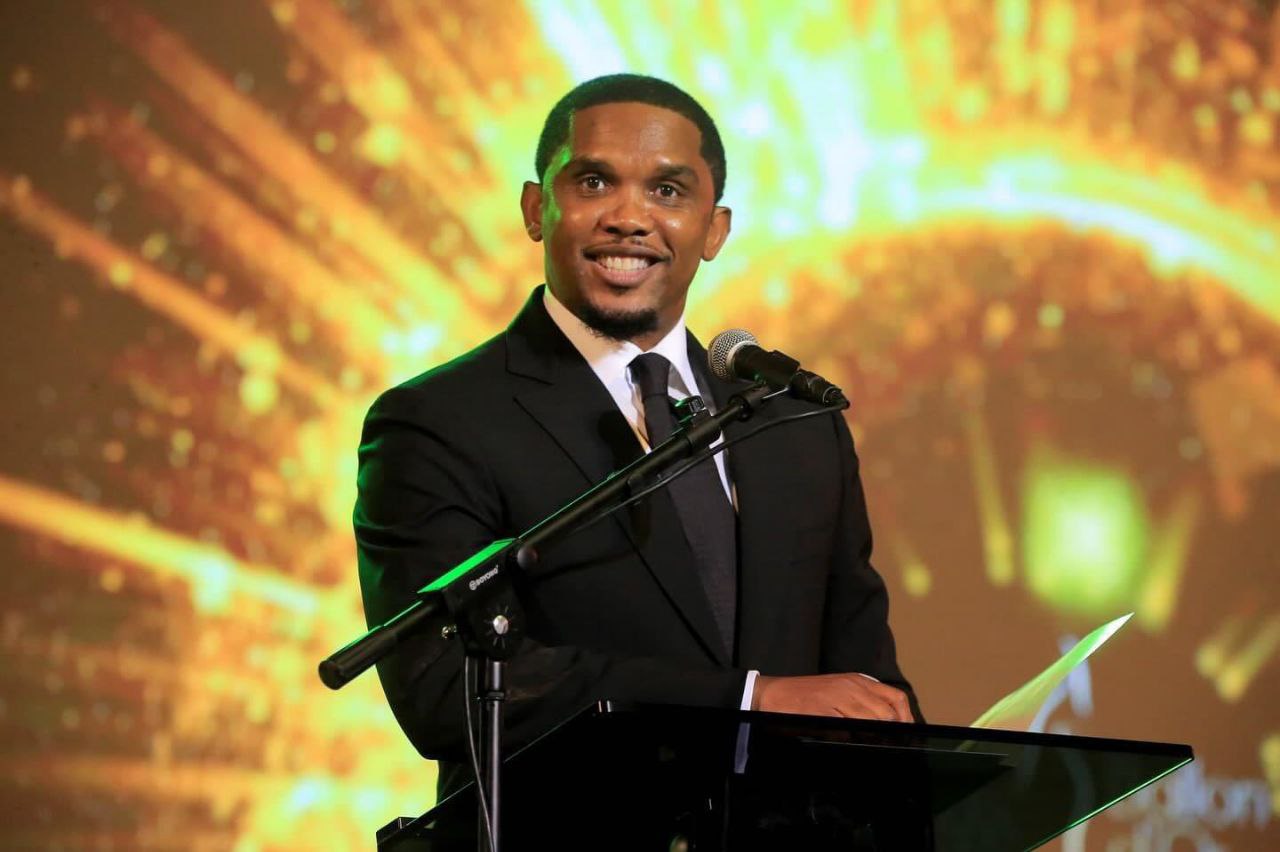
Samuel Eto’o, the president of the Cameroonian Football Federation (Fecafoot), has received a six-month suspension from attending any international matches involving Cameroon, as decided by a Fifa disciplinary panel.
The former star striker for Barcelona and Chelsea faced this sanction due to violations of two specific articles within Fifa’s disciplinary code. This ruling highlights the severity of the infractions linked to a critical match in the youth football sphere.
The suspension is associated with the Under-20 Women’s World Cup round of 16 game where Cameroon played against Brazil on 11 September, which ended in a 3-1 loss for Cameroon after extra time. The match held significant importance and generated intense emotions as both sides fought for progression in the tournament. However, the excitement was overshadowed by incidents that led to allegations against Eto’o and others present.
A statement from Fifa indicated that articles concerning inappropriate behaviour and breaches of fair play principles, as well as misconduct by players and officials, were violated during the match in Bogota, Colombia. Eto’o’s presence at the game may have complicated matters, resulting in the disciplinary measures enforced against him.
As a result of the ruling, Eto’o is barred from attending any football matches featuring Cameroon’s men’s and women’s representative teams across all categories and age groups. This extensive ban signifies the governing body’s dedication to maintaining the sport’s integrity and ensuring that officials meet the expected standards during international events.
Fifa also mentioned that this penalty would take effect immediately and that Eto’o has been informed of the decision. This restriction will significantly impact his responsibilities within Fecafoot, especially with Cameroon’s men’s team set to face Kenya in a critical qualification double-header for the 2025 Africa Cup of Nations in October.
Before this ruling, Eto’o led a meeting in Douala on the same day to discuss strategies for the upcoming match against the Harambee Stars on 11 October. Comments have been sought from Fecafoot regarding the ban and how it might affect the federation’s future operations.
This latest sanction comes after Eto’o was previously fined $200,000 by the Confederation of African Football (Caf) in July due to an ethics violation. A disciplinary panel determined that the former four-time African Footballer of the Year had “seriously undermined the principles of ethics, integrity, and sportsmanship” by entering into a contract to become an ambassador for the gambling company, 1XBET. Attorneys representing Eto’o have stated their intention to appeal the ruling, asserting that the Caf investigation lacked sufficient evidence to bring forth a direct accusation involving match-fixing.
Eto’o’s journey in football has been illustrious, highlighted by remarkable achievements both in European leagues and on the international stage with Cameroon. Nevertheless, his role as Fecafoot president since 2021 has been marred by controversy. Recently, a coalition representing amateur clubs in Cameroon has urged him to resign, pointing to “serious irregularities” within Fecafoot. Additionally, he has faced backlash from former international teammates who have described him as a “dictator” for his authoritative approach to managing the organization.
Moreover, Eto’o has been embroiled in a protracted disagreement with the nation’s Ministry of Sport concerning the selection of Marc Brys as the head coach of the Indomitable Lions earlier this year. Despite initial conflicts regarding this appointment, Eto’o eventually agreed to work with the Belgian coach, illustrating the complexities involved in handling organizational and sporting matters in Cameroonian football. This ongoing narrative exemplifies Eto’o’s challenges in his capacity as president and reflects the larger issues confronting football in Cameroon.
 World of sports
Leave a comment