
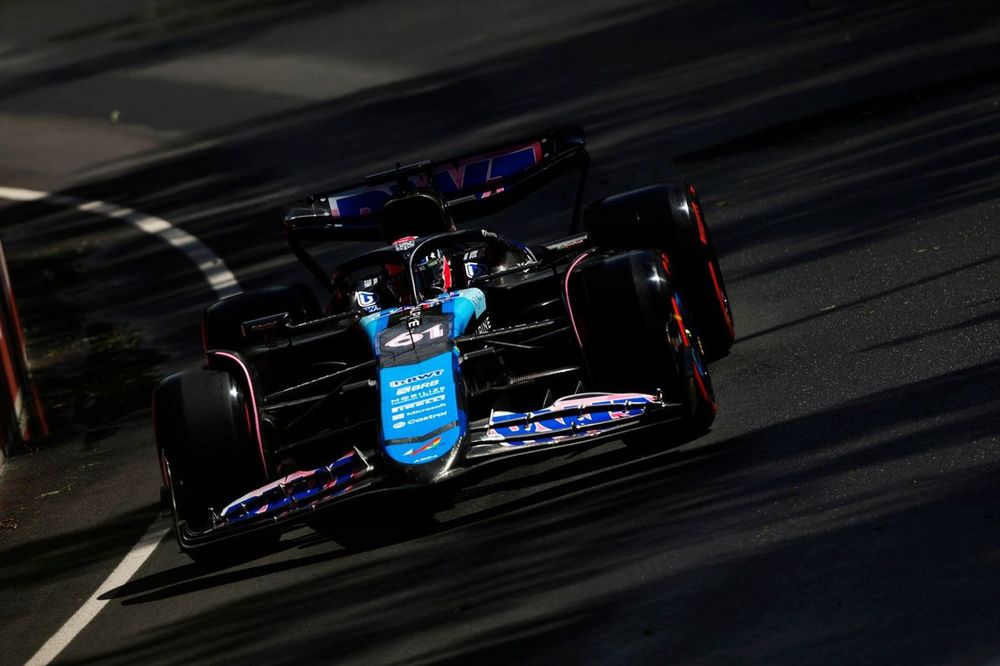
The Renault Group’s recent decision to cancel plans for the development of a 2026 Formula 1 power unit marks a significant shift in the company’s motorsport strategy, following several months of speculation and uncertainty regarding their commitment to the sport. This move has broad implications not only for Renault but also for the competitive landscape of Formula 1.
On Monday, Renault officially confirmed the cancellation of their plans to supply engines for the upcoming 2026 Formula 1 season and beyond. The announcement stated that the current engine factory located in Viry-Chatillon will undergo a transformation, morphing into “an engineering centre of excellence” by the close of 2024. This shift indicates the company’s pivot away from Formula 1 racing toward other innovative engineering pursuits.
“As a result of the consultation process with the employee representatives, during which discussions were constructive and an independent assessment was conducted, Alpine’s management confirms its project to transform the site into a centre of engineering and high-tech excellence by late 2024,” the statement said.
“Formula 1 activities at Viry, excluding the development of a new engine, will continue until the end of the 2025 season.”
The timing of this announcement is particularly noteworthy, as it closely follows the impending introduction of new engine regulations set to debut in 2026. With the Renault Group-owned Alpine team now likely to secure a partnership with Mercedes for their power units, the transition underscores the ongoing changes in alliances and partnerships within the F1 realm.
The decision to halt plans for a 2026 power unit comes after a period of unrest within the company, marked by significant employee dissent. For instance, staff members from the Viry facility made headlines by protesting at the Italian Grand Prix over fears surrounding potential factory closures. Such actions highlight the level of concern regarding job security and the future direction of Renault’s involvement in motorsport.
Currently, Alpine’s operations in Formula 1 are somewhat disjointed; the team operates out of two separate factories, with one focusing on engine development in France and the other concentrating on chassis in the United Kingdom. This division may further complicate Alpine’s performance as they navigate the challenges of remaining competitive in the championship.
Despite the cancellation of future power units, Alpine will continue to utilize their existing Renault engine for the remainder of the current season and through all of 2025. However, this decision comes in light of the engine’s lackluster performance so far this season, contributing to Alpine’s struggles. As it stands, the team is positioned ninth out of ten in the Constructors’ Championship, having only garnered a modest six points with six races left on the calendar.
Looking ahead, the primary focus of the Viry factory will now be redirected towards the development of a high-performance Alpine supercar. Additionally, there will be an emphasis on advancing battery and electric motor technologies, aligning with the growing trend towards electrification in the automotive industry. Moreover, Alpine is expected to broaden its horizons by participating in other motorsport categories, including the prestigious World Endurance Championship, which may also provide them with vital experience and exposure in preparation for future innovations.
 World of sports
Leave a comment