
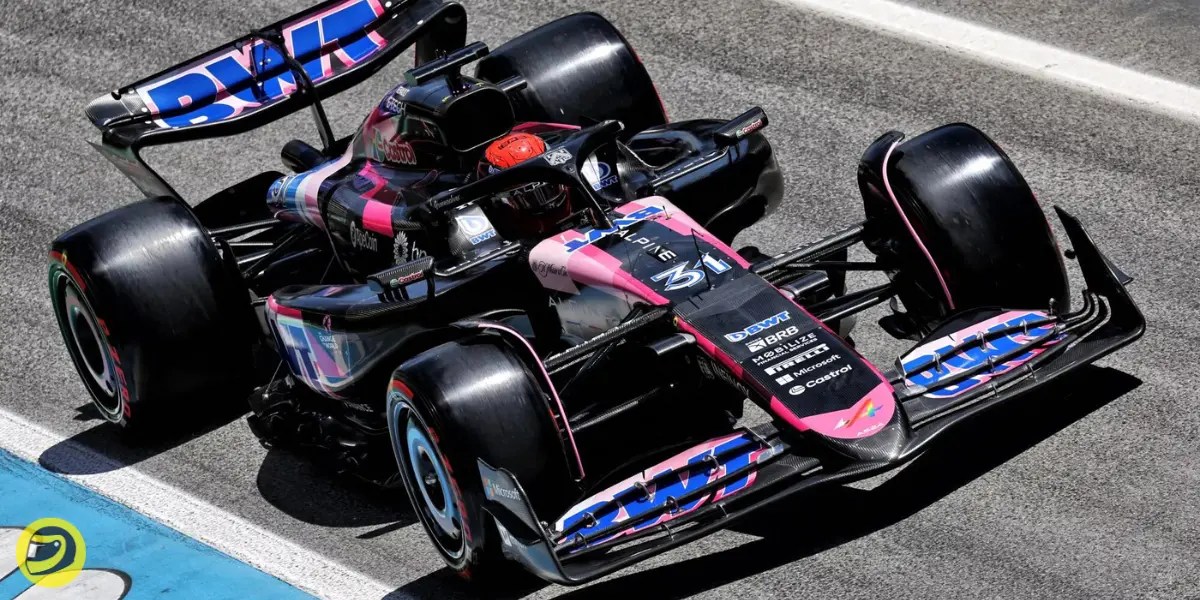
Honda and Alpine have faced significant penalties for violations related to the financial regulations in Formula 1, specifically the budget cap that was introduced for engine manufacturers. The FIA has imposed a collective fine of $1 million (£769,000) on the two companies due to procedural breaches in their financial submissions for the 2023 season.
Both Honda and Alpine submitted their expenditures under the $95 million (£74 million) limit set for this inaugural year of the cost cap regulations. However, upon review, they entered into Accepted Breach Agreements with the FIA, the governing body of the sport, indicating that they recognized the infractions and agreed to work towards compliance.
The specific fines illustrate the nature of the breaches: Honda Racing Corporation was penalized with a fine of $600,000 (£462,000) for failing to provide accurate reporting documentation. This mistake led to the misrepresentation of costs, either due to incorrect exclusions or adjustments. On the other hand, Alpine was fined $400,000 (£308,000) after the FIA found that they had “omitted relevant information” and delayed the submission of necessary documents, a situation that undermines the integrity of the budget cap system.
It is important to note that the FIA has stated there is no evidence that either manufacturer gained any unfair advantage from these breaches. The governing body acknowledged that both Honda and Alpine acted cooperatively and in good faith during the investigation, indicating a willingness to provide supplementary information and documentation when required.
Currently, Honda supplies power units to Red Bull Racing and RB, but they are set to become the exclusive engine supplier for Aston Martin beginning with the new regulations in 2026. Concurrently, Red Bull Racing will partner with Ford after the upcoming season. Conversely, Alpine has opted to cease its role as an engine manufacturer from 2026 and will switch to using Mercedes engines, paving the way for a new strategic direction within the team.
The focus of the Alpine factory in Viry will shift towards developing a supercar and advancing future battery and electric motor technologies. Additionally, they plan to pivot their efforts toward competing in other racing categories, such as the World Endurance Championship, as they realign their business strategy.
This shift comes in the context of Alpine’s struggles on the track, where they currently hold the ninth position out of ten in the Constructors’ Championship standings, having only secured a mere four points with four races left in the season. The performance of their engine has been a notable concern, contributing significantly to their difficulties this year.
Examining past instances of budget cap infringements, Aston Martin was fined £388,000 in 2021 for inaccurately managing their cost calculations, while Williams faced a £20,000 penalty in the same year for failing to meet the deadline for financial submissions. The most notorious case involved Red Bull’s breach in 2021, where they exceeded the budget cap by £1.86 million, resulting in a £6 million fine and a 10% reduction in wind tunnel testing time for the current season.
As the F1 community continues to adapt to these financial regulations, the outcomes of the ongoing evaluations will be unveiled next autumn, further adding to the narrative surrounding the financial governance of the sport and the implications it holds for the future of teams and manufacturers involved.
 World of sports
Leave a comment