
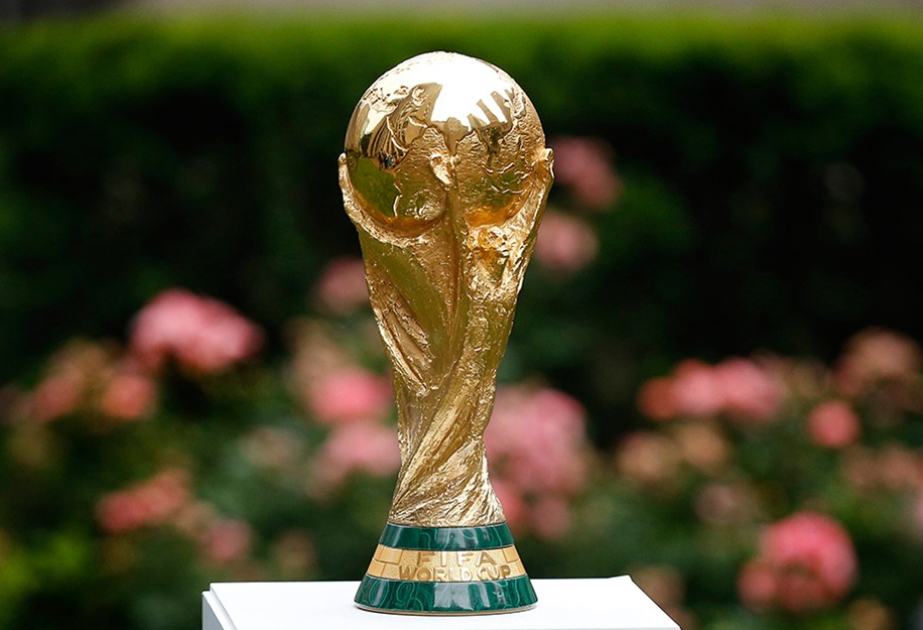
FIFA has officially confirmed that the 2034 World Cup will be held in Saudi Arabia, with the country poised to host football’s most prestigious tournament for the very first time. This decision follows the announcement that the 2030 World Cup will be jointly hosted by Spain, Portugal, and Morocco, with the unique twist of holding the opening three matches in South America, specifically Argentina, Paraguay, and Uruguay. This arrangement marks a significant milestone in World Cup history, as it will celebrate the centenary of the tournament, which began in 1930.
The bids for both tournaments were uncontested, a factor that stirred considerable debate within the football community. The choice to combine the decision-making for the two World Cups into a single vote during the online FIFA Congress has drawn criticism, as it offered delegates no option to vote separately on each bid. This procedural approach raised eyebrows, particularly as it effectively sidelined any potential rival bids that could have emerged, highlighting the controversial nature of the selection process.
Saudi Arabia’s emergence as the sole bidder for the 2034 World Cup has been controversial, primarily due to ongoing concerns about human rights within the kingdom. Critics have accused the Saudi government of attempting to engage in ‘sportswashing’—using the hosting of global sporting events to detract attention from its human rights record and its authoritarian practices. The country’s restrictions on free speech, the criminalization of homosexuality, and systemic limitations on women’s rights are significant factors fueling this criticism. Notably, the nation has faced widespread scrutiny from organizations like Amnesty International, which condemned FIFA’s evaluation report as an “astonishing whitewash” concerning the human rights situation in Saudi Arabia.
Additionally, the FIFA bid evaluation team rated Saudi Arabia’s proposal with the highest score ever, categorizing its human rights risk as ‘medium’. This assessment faced backlash for seemingly downplaying the country’s flawed human rights record. The 2034 World Cup will also represent a significant shift in tournament structure, as it will be the first instance of the expanded 48-team format being held in a single nation.
The decision to award Saudi Arabia hosting rights was solidified during a FIFA Council meeting in early October 2022. Following the announcement of the joint 2030 bid by Spain, Portugal, and Morocco, countries from Asia or Oceania became eligible to host the 2034 tournament under FIFA’s rotation system. Saudi Arabia promptly put forward its bid, coinciding with Australia’s announcement that it would not compete for hosting rights.
As the prospect of a World Cup in Saudi Arabia looms, there are growing concerns regarding the implications for the European football calendar, particularly from leagues such as the Premier League. The inaugural FIFA bid evaluation report noted that Saudi Arabia’s temperatures during June and July—when the World Cup is traditionally held—can soar beyond 40 degrees Celsius. Consequently, this has led to discussions about the potential need to reschedule the tournament for more temperate months, creating further complications for domestic leagues.
FIFA is currently engaged in a legal dispute with European leagues over the international football calendar, as many feel that they were not adequately consulted regarding how a mid-season World Cup would affect their schedules. With the expansion of club competitions in Europe and the increasing length of player commitments during international tournaments, concerns are mounting regarding the feasibility of accommodating a winter World Cup in 2034 without significant disruption.
The implications of such a schedule would extend to domestic leagues on either side of the tournament, making it increasingly complex to manage player availability and competitive integrity. While the leagues paused for the 2022 Finals in Qatar, this process may prove to be more challenging in 2034, given the heightened intensity of the football calendar and player commitments. The upcoming 2026 World Cup is expected to see players engage in an extended commitment period, further complicating the logistics.
 World of sports
Leave a comment