
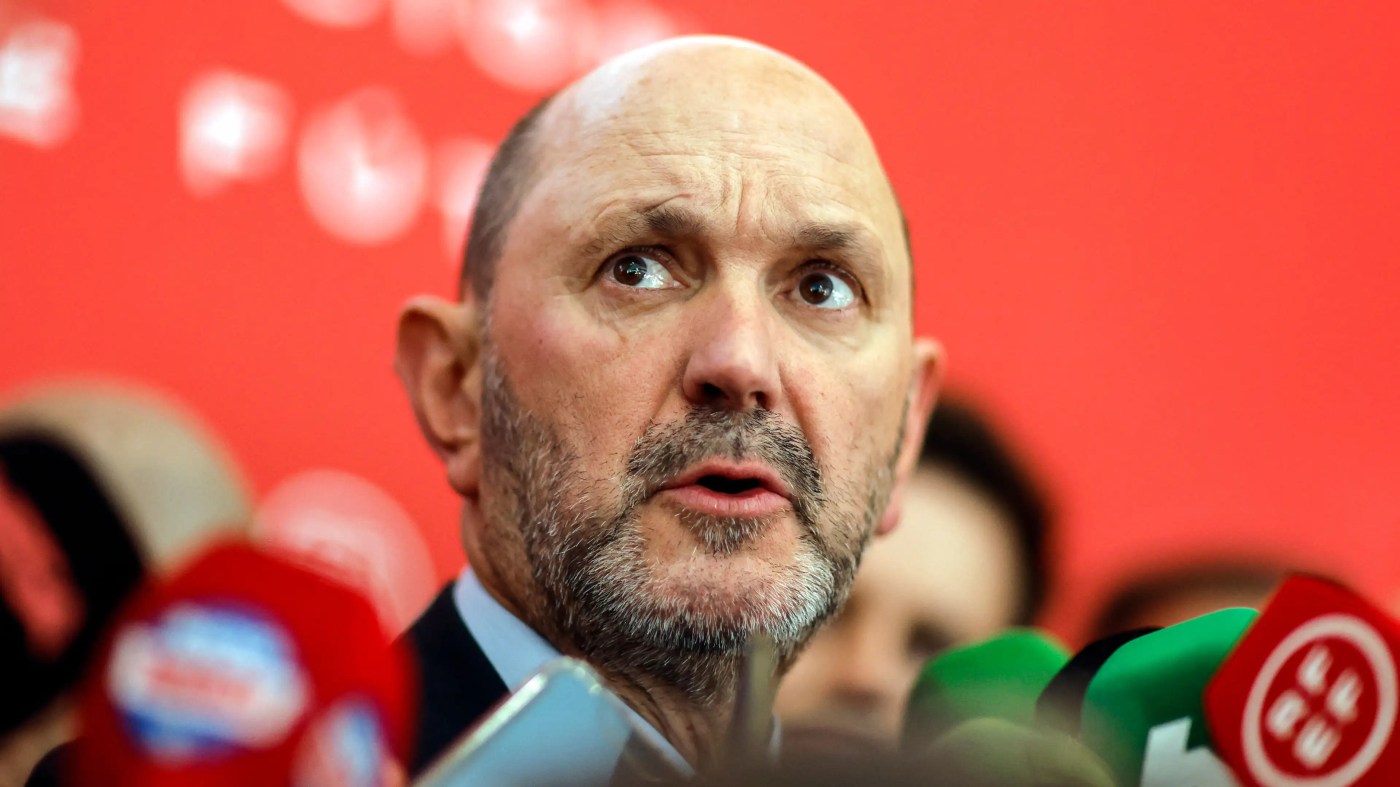
Rafael Louzan has been chosen as the new president of the Spanish Football Federation (RFEF), a position anticipated to last until 2028. However, his appointment could be jeopardized due to ongoing legal challenges related to a past conviction. Louzan secured the presidency by defeating Salvador Gomar, winning by a notable margin of 90 votes to 43. This victory represents a pivotal chapter in his career, especially after leading the Galicia football federation since 2014.
Despite his success in the election, Louzan’s path forward is fraught with difficulty. He is currently waiting for the results of an appeal concerning his conviction for abuse of office during his time as president of the Pontevedra Provincial Council. This conviction carries a seven-year suspension from public office, which, if upheld, would likely necessitate his departure from the RFEF presidency, further destabilizing the organization during this turbulent time.
The RFEF has been experiencing significant upheaval following a series of scandals. One of the most prominent incidents involved former president Luis Rubiales, who is under serious scrutiny for forcibly kissing Jenni Hermoso during the final of the 2023 Women’s World Cup. This controversial behavior led to Rubiales’ resignation and has paved the way for his trial in 2025 on charges of sexual assault. Such events have overshadowed the federation’s functioning and created a challenging atmosphere for any emerging leadership.
Before Louzan’s election, the RFEF operated without a president for some time due to the suspension of Pedro Rocha, who was penalized for two years due to abuse of authority. Rocha was appointed by Rubiales in a last-minute maneuver just before the latter’s own scandals escalated, adding further complexity to the RFEF’s recent narrative.
Amidst this turbulence, it is crucial to recognize that Spain’s national teams have continued to perform well on the field. The men’s team recently achieved victory at Euro 2024, providing a much-needed boost to morale in a federation struggling with scandal. Looking ahead, they aim to capture the Nations League title in 2025, which would enhance their reputation in international football. At the same time, the women’s team is gearing up for the European Championship next year, set to compete in the group stages against Italy, Belgium, and Portugal, all with the goal of achieving glory and delivering a sense of pride for supporters despite the ongoing challenges facing the RFEF.
 World of sports
Leave a comment