
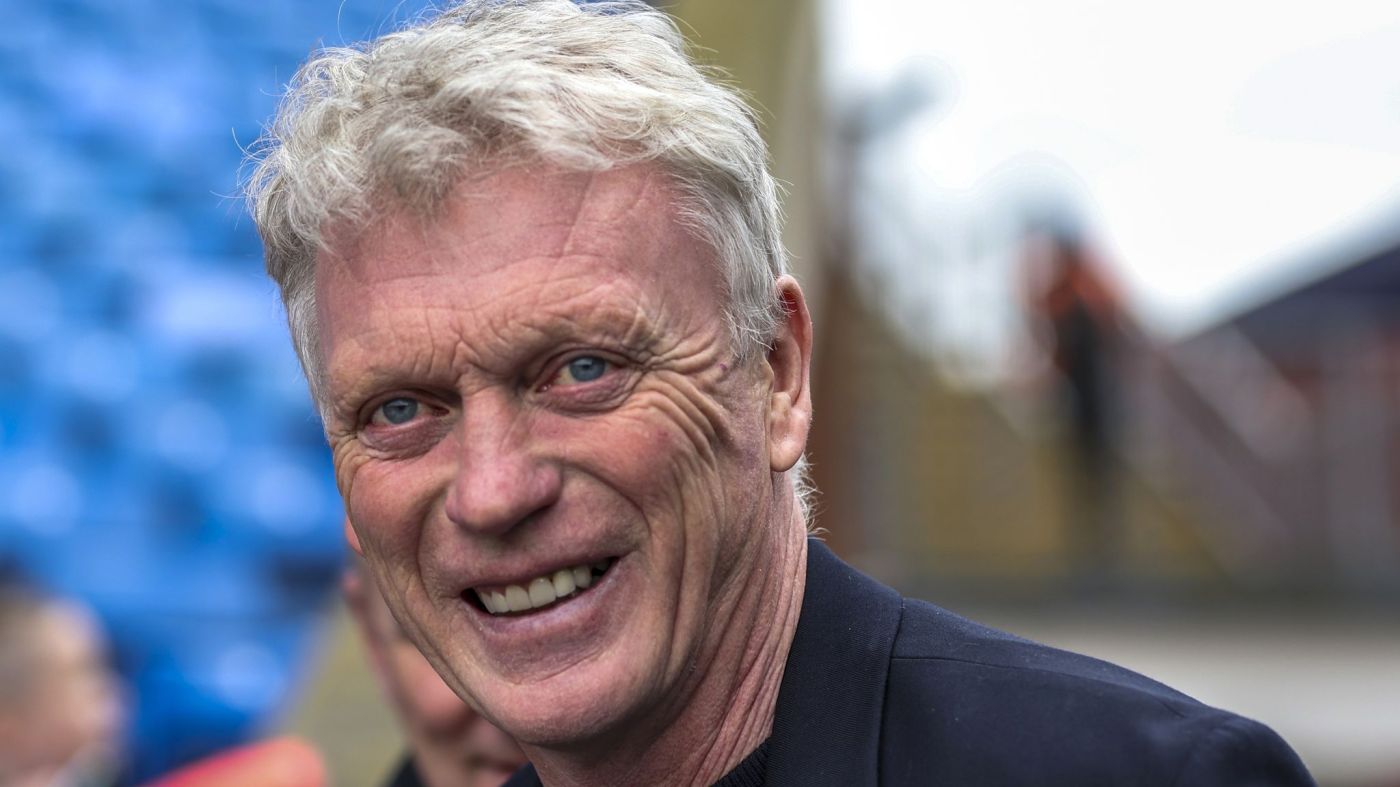
David Moyes’s potential return to Everton has generated significant interest among fans and pundits alike. Having previously managed the club with considerable success from 2002 to 2013, Moyes left a lasting legacy, which included qualifications for the Champions League and an FA Cup final appearance. His earlier tenure saw Everton often in the mix for European positions, establishing a strong competitive spirit within the squad.
The Toffees’ recent decision to part ways with Sean Dyche comes on the heels of a disappointing run of form that has left the club teetering just above the relegation zone. With Dyche at the helm for less than a year, he managed to keep Everton in the Premier League last season despite facing the unique challenge of an eight-point deduction for breaches of financial regulations. This underlines the complexities faced by managers in high-pressure situations, especially at clubs battling for survival in one of the toughest leagues in football.
Interim management has been entrusted to Leighton Baines and Seamus Coleman, both of whom have deep-rooted connections to the club. Their appointment reflects a desire for continuity and understanding of Everton’s culture during this transitional period. The urgency for a permanent managerial appointment comes as Everton prepare for a crucial FA Cup third-round tie, highlighting the immediate need for stability and direction.
Moyes’s discussions with Everton’s owners, the Friedkin Group, signal a strategic move, considering his prior successes with the club. The Friedkin Group, having recently undertaken the significant task of revitalizing the club since their takeover, will likely view Moyes as a reputable candidate capable of reinvigorating the team’s ambitions and harnessing the passion of the fanbase.
In a recent interview, Moyes articulated his desire to work at a level that transcends merely avoiding relegation. His comments indicate that he feels capable of managing teams with European aspirations, a standpoint further legitimized by his success in recent seasons with West Ham United, where he led them to their first European trophy in over four decades. This ambition suggests that a return to Everton could reignite the competitive fire that characterized his initial spell at the club.
As Everton navigates the tumultuous landscape of the Premier League, particularly with their current standing and recent results—including an alarming lack of offensive output—it is evident that strong leadership will be paramount. Moyes’s experience, coupled with his historical insights into the club’s ethos, positions him as a pivotal figure who could potentially steer Everton back to a place of stability and competitive spirit.
The intricacies of football management, particularly in high-stakes environments like this, reveal how critical timing and decisions are. While Moyes has expressed the importance of waiting for the right opportunity, the current circumstances at Everton may very well align with his aspirations, paving the way for a reunion that could significantly benefit both him and the club. As fans await further updates, the prospect of Moyes’s return is not just about leadership but also about rekindling the identity of a club that holds deep significance in the footballing landscape.
 World of sports
Leave a comment