
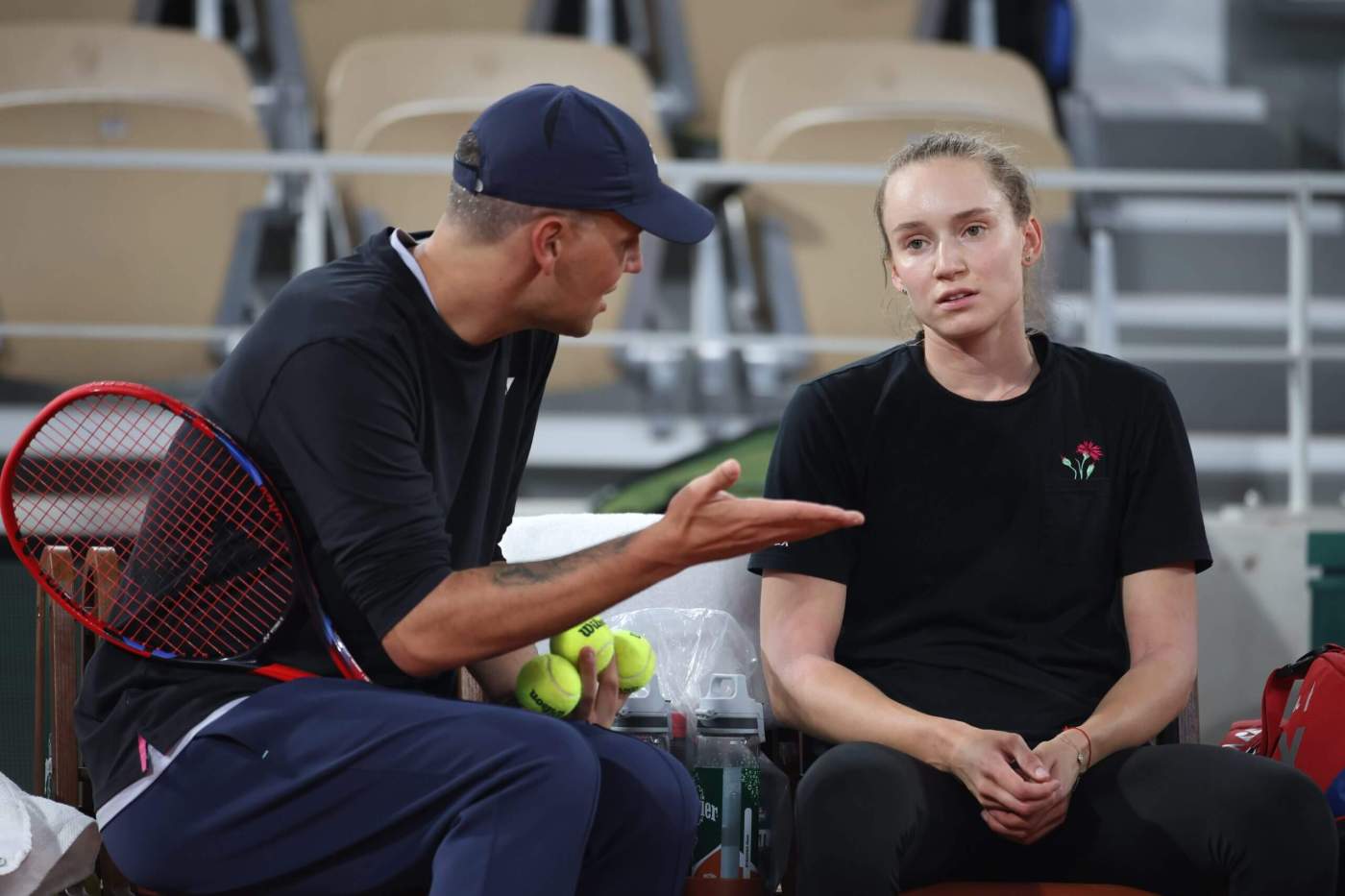
Stefano Vukov, the former coach of world number five Elena Rybakina, will remain banned from the WTA Tour following an independent investigation into his behavior towards the player. This investigation has been a subject of concern for many in the tennis community, emphasizing the importance of maintaining a respectful and professional environment within the sport.
It was announced in January that the Croat had been provisionally suspended after allegedly breaching the WTA’s Code of Conduct. This provisionally suspension was a significant matter as it raised questions about athlete welfare and the standards expected from coaches within professional tennis. The governing body of women’s tennis, the WTA, took these allegations seriously, prompting a thorough investigation to ensure the integrity of the sport.
On Tuesday, the WTA confirmed that Vukov’s ban had been officially upheld. This decision comes amidst claims from the coach denying any wrongdoing. Curiously, Rybakina herself has stated that she was never mistreated by Vukov, highlighting the complexity of the situation. The varying perspectives on this issue underline the challenges of navigating coaching relationships in high-pressure environments like professional sports.
Confirming the conclusion of the investigation to BBC Sport, the WTA stated: “Following this process, the suspension remains in place. To protect the confidentiality and integrity of the investigation and its findings, the WTA will not provide further details. We remain committed to ensuring that all matters are handled in a fair and objective manner in accordance with the WTA Code of Conduct.” This statement reflects the WTA’s commitment to upholding its standards and protecting the players, while also maintaining confidentiality regarding the specifics of the investigation.
However, the governing body did not specify how long Vukov will be banned for, nor is it known which part of the WTA’s code he has allegedly violated. This lack of clarity adds another layer of complexity to the issue, as stakeholders in tennis, including fans and commentators, seek transparency in the decision-making process.
Vukov has the option to appeal against the decision, providing him with a pathway to potentially overturn this ban. Such a development could significantly impact Rybakina, who expressed a desire to have Vukov rejoin her team earlier this year. Unfortunately for her, the ban means Rybakina will not be able to bring Vukov back onto her team—something she hoped to do at the beginning of the year. This decision could alter her strategy and support structure as she progresses through the current season.
BBC Sport has reached out to Vukov for comment, but as of now, there has been no public response from him regarding the upheld ban. Concerns about the dynamics between Vukov and Rybakina have been raised over the past few seasons, notably by coach and commentator Pam Shriver, who highlighted worries about Vukov’s conduct towards the 25-year-old player. The manner in which he spoke to her both on and off the court during tournaments has come under scrutiny, indicating that the issues at play are more nuanced than they may initially appear.
Kazakhstan’s Rybakina, who achieved a historic victory by winning the Wimbledon title in 2022, remarked at last month’s Australian Open that she has “never made any complaints” about Vukov. She added, “I don’t agree with a lot of things the WTA do in the sense of my relationship with Stefano.” This statement underscores Rybakina’s belief in the positive aspects of their working relationship and her desire to clarify her stance amidst the ongoing situation.
Rybakina has worked with Vukov since her teenage years, a partnership that played a pivotal role in her claiming her first Grand Slam title at Wimbledon. However, that partnership came to an end before the US Open last year. In January, she expressed her desire for Vukov to rejoin her team, but the provisional suspension meant he did not receive accreditation for the opening Grand Slam of the season, which complicated her plans and raised further questions about her support system.
As the Dubai International began, Rybakina shared her continued connection with Vukov, stating that she was in contact with him and that he was assisting her with “a lot of things, on the court, outside of the court.” This ongoing communication may indicate that despite the formal ban, Vukov remains an influential figure in Rybakina’s preparations and overall strategy as she competes in the current season, showcasing the intricate dynamics that can exist in professional athlete-coach relationships.
 World of sports
Leave a comment