
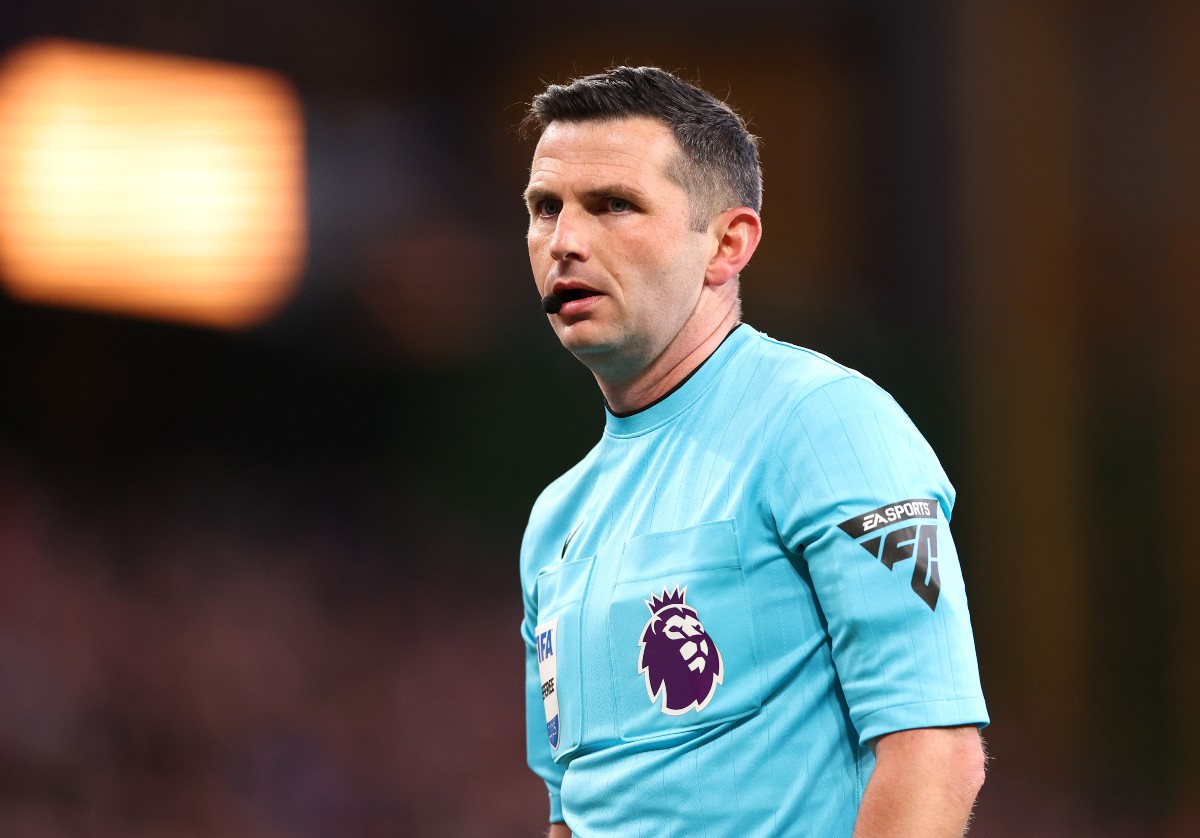
Referee Michael Oliver has been sidelined from officiating any Premier League matches this weekend due to the controversial way he managed a horrific foul involving Jean Philippe-Mateta. This incident took place during a recent FA Cup match, where Millwall goalkeeper Liam Roberts delivered a violent kick to the face of the Crystal Palace striker. The foul was severe enough to necessitate an immediate medical response, sending Mateta to the hospital for treatment.
During the match, Oliver initially opted against issuing a red card to Roberts, despite the brutality of the foul. This decision drew widespread criticism, particularly as play had to be halted for several minutes to allow medical staff to attend to Mateta, who is notably 6ft 4in tall. After reviewing the incident on his pitchside monitor, Oliver eventually changed his mind and sent Roberts off the field with a red card, but many believe this was a case of delayed justice.
In the aftermath, Mateta required 25 stitches to close a gaping wound in his left ear caused by the foul. Thankfully, the 27-year-old forward reassured fans by stating he was “doing well” just hours after the incident. However, the road to recovery may still be lengthy. Meanwhile, Roberts now faces the possibility of a significant suspension as the governing bodies grapple with how to penalize such reckless actions deemed dangerous to players.
Reports from The Athletic indicate that Oliver has not been designated any refereeing duties for matchweek 28 scheduled between March 8 and 10. This exclusion includes both on-field officiating roles as well as positions such as fourth official or video assistant referee (VAR) for this weekend’s matches. The absence from crucial Premier League assignments underscores the serious implications of the backlash surrounding his officiating in the recent game.
Despite stepping back from domestic duties, it’s noteworthy that Oliver will be officiating Bayern Munich’s highly anticipated Champions League match against Bayer Leverkusen on Wednesday. This indicates that he remains a respected referee in international contexts, prompting questions about the standards applied in different leagues.
The entire scenario sheds light on the intense scrutiny that referees endure in high-pressure matches and raises vital discussions around the need for consistent enforcement of regulations designed to protect players. As Oliver confronts the fallout from this incident, the focus will likely remain on the broader implications for officiating practices and how leagues can better address and manage violent fouls in the future.
 World of sports
Leave a comment