
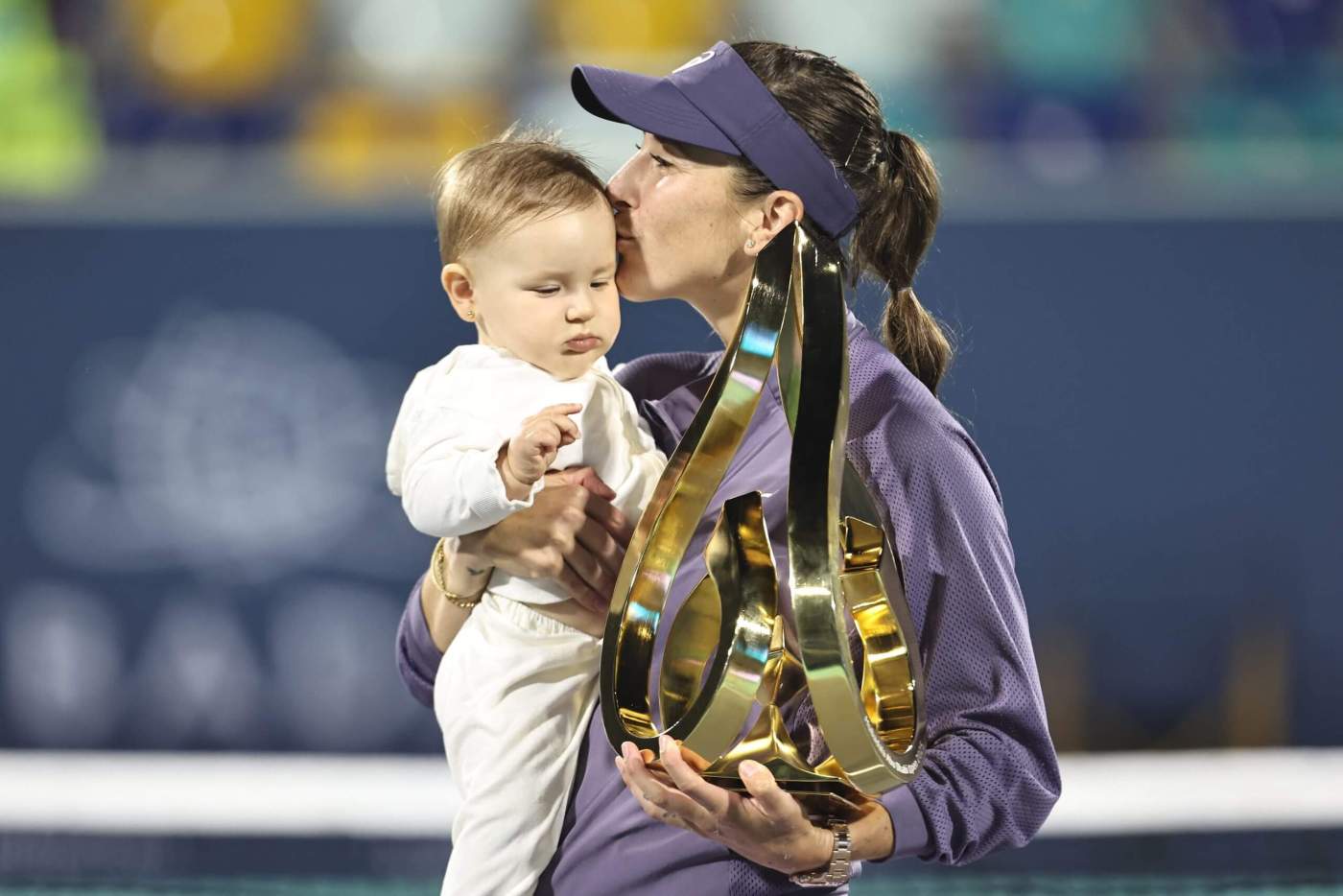
For the first time, female tennis players on the WTA Tour will be eligible to receive paid maternity leave, signaling a major advancement in the professional sports arena. The Women’s Tennis Association (WTA) has established a new maternity fund that will allow more than 320 players access to up to 12 months of paid leave. This groundbreaking initiative is not just a crucial support for the athletes but also a transformative change in the landscape of women’s sports.
All qualified players will receive the same undisclosed amount of financial support, irrespective of their professional rankings. This approach promotes equity within the sport, ensuring that all players—whether they are ranked at the top or relatively unknown—are provided with the same level of assistance. Another commendable feature of this maternity leave policy is that players are not obligated to repay any funds if they decide not to return to tennis after their leave, offering them greater freedom and flexibility in their personal choices regarding family and career.
In addition to maternity leave, the WTA is committed to assisting players with access to grants for fertility treatments, recognizing the multifaceted challenges many athletes face in family planning. This comprehensive initiative addresses not only maternity but also related health concerns, showcasing the WTA’s commitment to the overall well-being of its players.
This pioneering maternity program is entirely funded by Saudi Arabia’s Public Investment Fund (PIF), underscoring the increasing trend of international partnerships aimed at advancing women’s sports. Such financial support indicates a significant move towards ensuring that female athletes receive the recognition and resources they deserve, which have often been lacking in traditional sports structures.
Notable athletes like Petra Kvitova and Belinda Bencic have successfully returned to competitive tennis after their maternity leaves, serving as powerful role models for their peers. Former world number one Victoria Azarenka has previously articulated that the introduction of maternity pay would represent a monumental victory for women in sports. Moreover, Naomi Osaka, a celebrated four-time Grand Slam champion, has expressed that maternity pay would bring about “life-changing” impacts on athletes’ lives, highlighting the strong support for this initiative among high-profile players.
Portia Archer, the WTA’s chief executive, spoke about the innovation represented by this program, referring to it as “quite novel in many ways.” She emphasized that in women’s professional sports—especially in sectors where athletes operate as independent contractors—such benefits have rarely, if ever, been made available. This initiative will empower female athletes to have more control over when and how they choose to start or grow their families, creating a better balance between their personal lives and professional commitments.
To qualify for the new maternity leave program, players need to have participated in at least eight WTA events within the past 12 months, or a minimum of 24 events over the previous three years. This requirement helps maintain a level of engagement with the sport among those who will benefit from these supports, ensuring they remain active competitors.
The WTA has taken additional steps to facilitate a smoother transition for mothers returning to the tour after maternity leave. Since the rules were modified before the 2019 season, new mothers can use their previous rankings to enter up to 12 tournaments over a three-year timeframe following the birth of their child. This added flexibility is crucial, allowing mothers to reintegrate into competitive tennis without the added stress of facing higher-ranked opponents right away. Additionally, those returning mothers who have a special ranking that allows them to be seeded are guaranteed not to encounter other seeded players in the first round of their initial eight tournaments, providing them with a fairer chance to re-establish themselves in the sport.
Since the introduction of the special ranking system six years ago, 50 players have reaped the benefits of this initiative, demonstrating its positive impact on their careers and ability to manage motherhood alongside professional ambition. Beyond financial and competitive support, the WTA offers access to a dedicated health team and task force, which provides comprehensive resources, including physical evaluations, mental health support, and guidance for a phased return to competition. This ensures that new mothers and pregnant players receive the necessary assistance during and after their maternity journeys, making for a supportive and nurturing environment in women’s tennis.
 World of sports
Leave a comment