
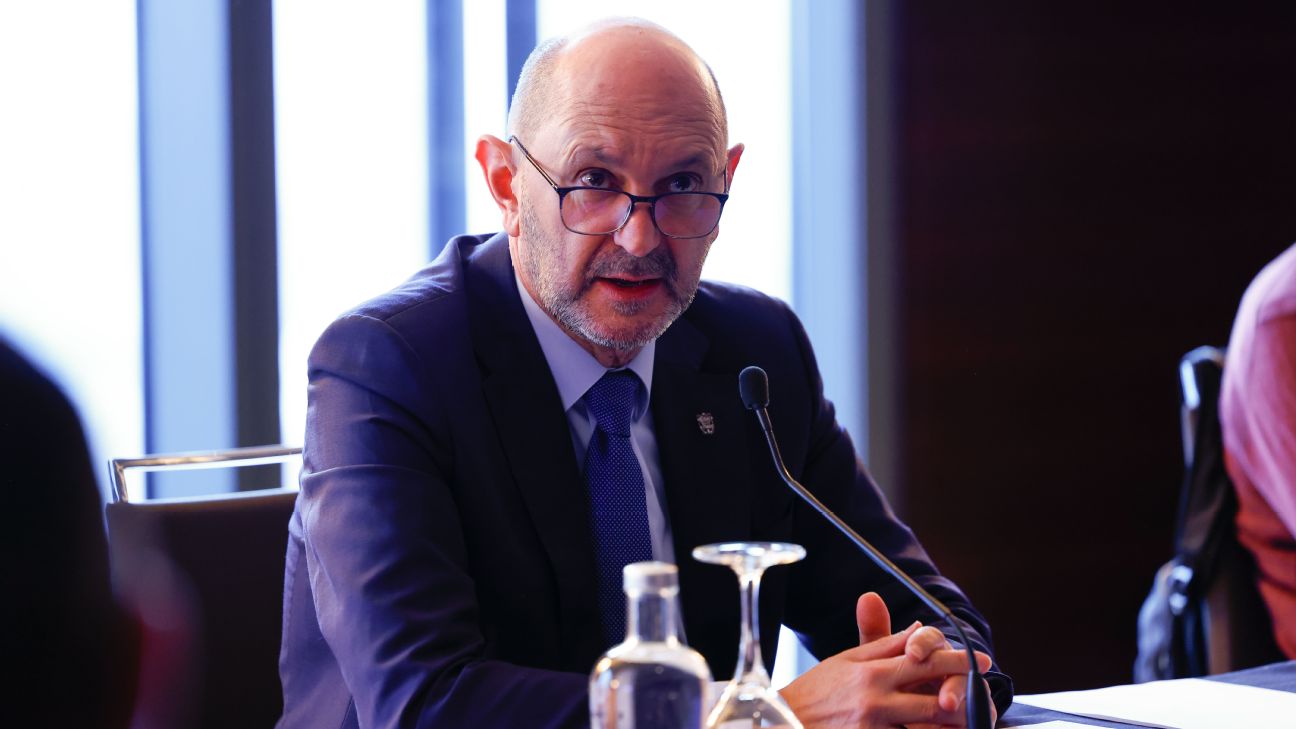
The President of the Royal Spanish Football Federation (RFEF), Rafael Louzan, has publicly announced Spain’s intention to bid for the 2035 Women’s World Cup. This follows the successful bid for the 2030 men’s tournament in collaboration with Portugal and Morocco. The plan for the 2035 event is expected to follow a similar structure to that of the men’s competition, signifying a deep commitment to enhancing women’s sports on a global level.
Over the past decade, the women’s game in Spain has made significant advancements, notably with FC Barcelona establishing a stronghold as a dominant force in the women’s league, not only at the national level but extending their influence across Europe as well. This growth reached its pinnacle during the 2023 World Cup held in New Zealand and Australia, where the Spanish national team, affectionately known as La Roja, celebrated their remarkable victory by defeating England 2-0 in the final match. This accomplishment marked a historic moment for Spanish women’s football, showcasing the potential and prowess within the sport.
At a recent event focused on promoting equality at the King Juan Carlos University in Madrid, Louzan expressed enthusiasm about the collaboration among Spain, Morocco, and Portugal, stating their determination to host a second World Cup within a remarkably short span of five years. He articulated, “What better way to showcase women’s sport than with the contribution of the most important global sporting event in existence: the World Cup. That’s what we’re working on.” This sentiment reflects a growing recognition of the importance of women’s sports and the role such prominent events can play in elevating visibility and support.
However, while the ambitions are high, it is crucial to acknowledge that Spain still has considerable steps to take before its women’s game can be held in the same regard as those from countries like England, France, or Germany, known for their renowned professionalism in women’s football. The interplay between success on the pitch and structural support off of it is vital for the continued growth of the sport.
Barcelona’s impressive dominance highlights a pressing issue regarding the competitiveness of Liga F, which has seen a relative lack of challenge from other teams both domestically and in European competitions. While this has benefited Barcelona’s rise, it also raises questions about the overall development of the women’s game in Spain. Additionally, the aftermath of the scandal involving former RFEF president Luis Rubiales continues to cast a shadow over women’s football in the country. Many still harbor concerns that the sport is not progressing as it should, particularly in addressing professional standards and safeguarding athlete welfare.
During the trial relating to Rubiales’ sexual assault conviction, first team manager Montse Tome revealed her lack of awareness regarding protocols for inappropriate behavior, a concerning admission that highlights gaps in the protective measures within the RFEF. The presence of Louzan and other prominent figures during years of grievances from the Spain women’s team raises further questions about accountability and the urgent need for reform in the governing bodies overseeing the sport.
As Spain aims higher with its ambitions for the 2035 Women’s World Cup, it is evident that a multifaceted approach is necessary—not only to ensure successful tournament hosting but also to lay a sustainable foundation for the future of women’s football, both in Spain and beyond. The journey ahead will require diligence, dedication, and a strong commitment to addressing the existing challenges within the sport.
 World of sports
Leave a comment