
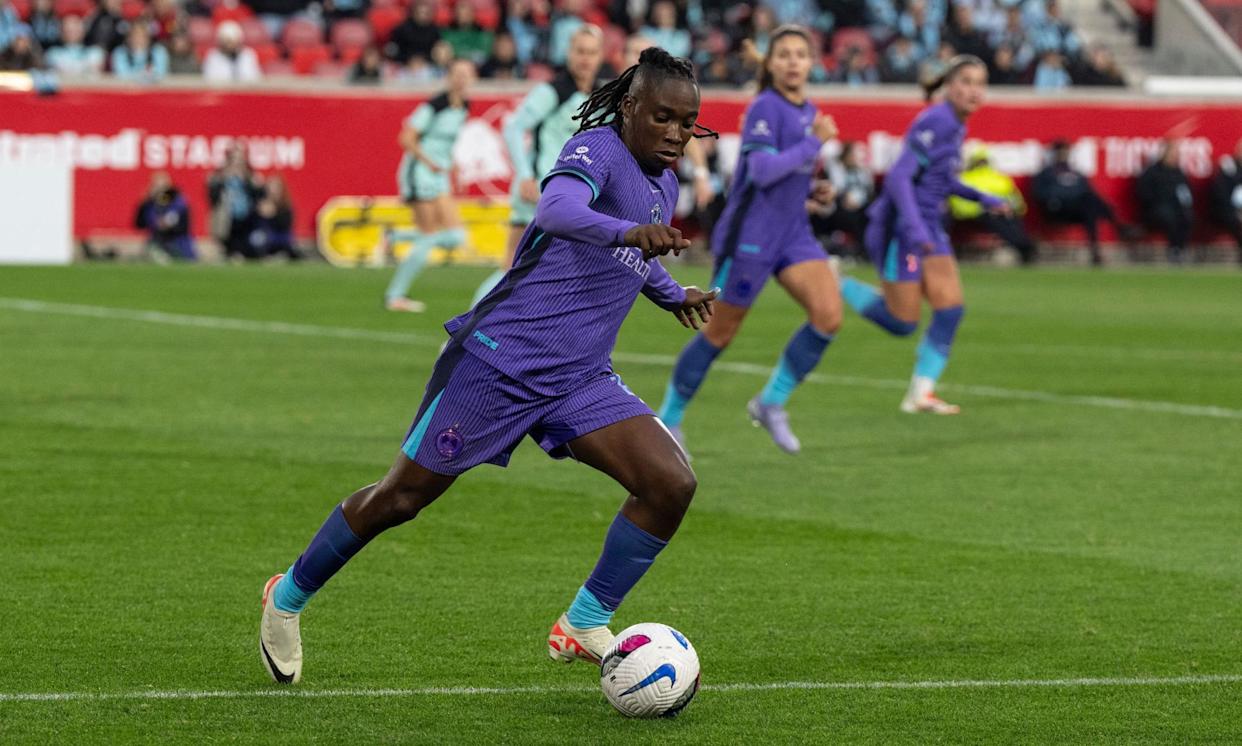
The Zambia women’s national team has made the critical decision to withdraw four of its US-based players from the squad for their upcoming matches, citing concerns related to the immigration policies enacted by the Trump administration. This announcement was made on Wednesday by the country’s football federation, highlighting the growing apprehensions surrounding the treatment of foreign nationals in the United States under the current political climate.
These new immigration policies have created a complicated and uncertain landscape for foreign visitors and residents, impacting their ability to leave or re-enter the US after travel abroad. A poignant example of this uncertainty was reported in March when a French scientist faced detention and had his phone searched upon arrival in Houston for a conference, which raised alarm about the consistency and fairness of such immigration enforcement actions.
Zambia’s national team is scheduled to compete against Thailand and either China or Uzbekistan in China later this week. The decision to exclude the four players—Barbra Banda, Prisca Chilufya, Grace Chanda, and Rachael Kundananji—has far-reaching implications for the team’s dynamics, particularly as Banda, the captain, is a key player in the squad’s attacking lineup. The absence of these talented individuals represents not only a tactical setback for Zambia but also underscores the impact of global political policies on sports and athletic participation.
In an official statement, the Football Association of Zambia (FAZ) expressed that this action was taken “owing to additional travel measures introduced by the new administration in the United States of America.” They clarified that the decision to withdraw these players was made in consultation with the Zambian mission in Washington DC, as well as with the relevant National Women’s Soccer League (NWSL) clubs involved. This cooperative approach demonstrates the seriousness with which the matter has been treated and the priority given to the safety and well-being of the players.
FAZ General Secretary Reuben Kamanga further elaborated, stating, “After working through the process instigated by recently introduced measures, it was decided that it is in the best interest of our players to skip this assignment.” Kamanga reassured fans and stakeholders that these players would still be available for future matches, as they had been during the previous international window when Zambia faced Malawi.
Additionally, the context reveals a troubling trend; the Trump administration’s visa policies have led to the cancellation of numerous visas and the deportation of legal permanent residents for various reasons. These have included personal political beliefs or unfounded assumptions of criminal affiliations. The Secretary of State, Marco Rubio, has also been active in reviewing and revoking visas, claiming to have canceled over 300. Such actions contribute to an atmosphere of fear and uncertainty that extends beyond the sports sector, affecting numerous individuals seeking to engage in academic, professional, or recreational activities in the US.
Moreover, this scenario unfolds amidst ongoing tensions related to a trade war with China, where Zambia has scheduled games. The implications of these geopolitical issues are significant, not only in the sporting world but also within broader international relations, as policies enacted in one country can ripple out, impacting athletes and teams far beyond their borders.
 World of sports
Leave a comment