
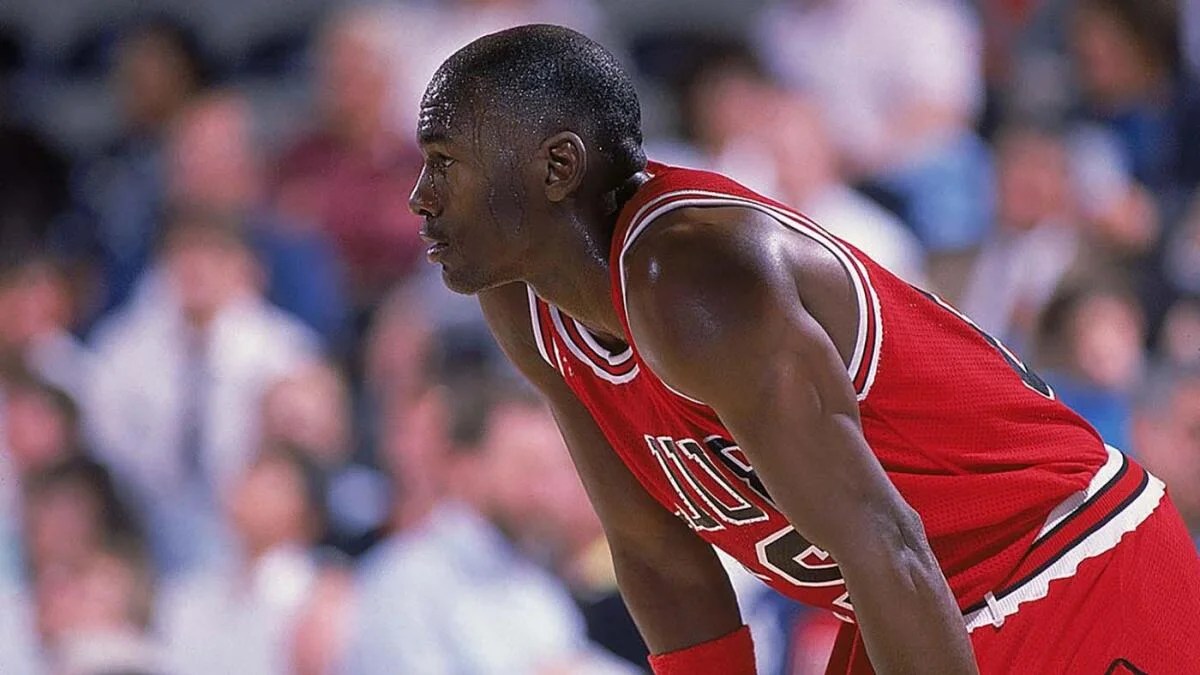
The 1992-93 NBA season stands as a monumental chapter in the career of Michael Jordan, a defining moment that elevated his status as a basketball icon. During this season, the Chicago Bulls superstar showcased an extraordinary blend of skill, athleticism, and determination, dominating the league by leading in several categories, including points, steals, and field goals per game—an impressive feat that set the tone for his ongoing legacy.
As the season progressed, Jordan’s capabilities shone exceptionally bright in the playoffs. His scoring prowess reached remarkable heights, averaging an incredible 35.1 points per game over the course of 19 playoff contests. This extraordinary performance was instrumental in guiding the Bulls to their first championship three-peat during Jordan’s era, marking a period of unprecedented success for both him and the franchise. His ability to deliver under immense pressure solidified his reputation as one of the most clutch players in the history of the sport.
After achieving this pinnacle of success, fans and sports analysts alike were taken aback when Jordan announced his retirement from basketball. This unexpected decision came as a shock, as he left the game at the height of his powers, with an impressive collection of accolades and titles. His retirement not only piqued the curiosity of fans but also added to the aura surrounding his career, leaving many to ponder what made him step away from the sport he dominated.
The significance of Jordan’s on-court achievements during the 1992-93 season was poignantly reflected recently when a game-worn jersey from that era was sold at auction for an astounding $2.6 million. Conducted by Heritage Auctions, this sale highlighted the value placed on memorabilia associated with Jordan, especially considering that the jersey had appeared on the cover of Sports Illustrated in 1993. According to Sports Investors Authentication, it’s believed that Jordan wore the specific jersey in around 32 games that season, marking it as not only a collectible piece but a symbol of an unforgettable era in basketball history.
While the $2.6 million auction price is undoubtedly impressive, it pales in comparison to the records set by other items of Jordan memorabilia. For instance, a jersey that Jordan wore during Game 1 of the 1998 NBA Finals fetched an eye-popping $10.1 million in 2022, establishing it as the most expensive piece of memorabilia ever sold associated with him. This sale didn’t just break records for Jordan; it set a new benchmark for the highest price ever paid for game-worn sports memorabilia, demonstrating the immense market demand for items linked to his unparalleled legacy.
Furthermore, Jordan has also claimed the title for the most expensive pair of sneakers ever sold. The sneakers he wore during the Bulls’ championship-clinching games sold for a staggering $8 million at auction in 2024, underscoring the lasting significance of his career and the high value placed on memorabilia tied to it.
Even after retiring from professional basketball in 2003, Jordan remains a towering figure within the sport and its culture. While he has taken on various behind-the-scenes roles in the basketball community, he has mostly kept a low profile over the years. However, his presence is set to make a resurgence in the upcoming NBA season, as Jordan has recently been announced as a “special contributor” for NBC’s basketball coverage. This upcoming role provides him with a platform to share his insights and experiences about the game he once dominated.
Although it’s unlikely that his game-worn apparel from his debut broadcast on NBC will achieve million-dollar sales, one can’t rule out the possibility of significant interest. Even after his retirement, Michael Jordan continues to captivate fans and collectors alike, consistently finding ways to break records and maintain his status as a cultural icon. His legacy, marked by both his unparalleled achievements on the court and his enduring influence off of it, will continue to resonate throughout the tapestry of basketball history for generations to come.
 World of sports
Leave a comment