
Manchester United’s financial results for the year 2024/25 reveal some intriguing dynamics despite the club’s tumultuous performance on the pitch. The club achieved a record revenue of £666.5 million, which sets a new benchmark for their financial operations. This remarkable achievement is especially notable, considering that the team did not participate in the Champions League for the season, ultimately finishing an alarming 15th in the Premier League—their lowest position in over five decades, making this result all the more surprising.
In a detailed look at the club’s finances, we see that the operating loss has significantly decreased from £69.3 million to £18.4 million compared to the previous year. Such an improvement, despite the overall losses, showcases a strategic approach in managing financial resources. The club’s decision-making processes, particularly during this period of leadership change and restructuring, appear to have had a positive impact, as they work to stabilize the organization.
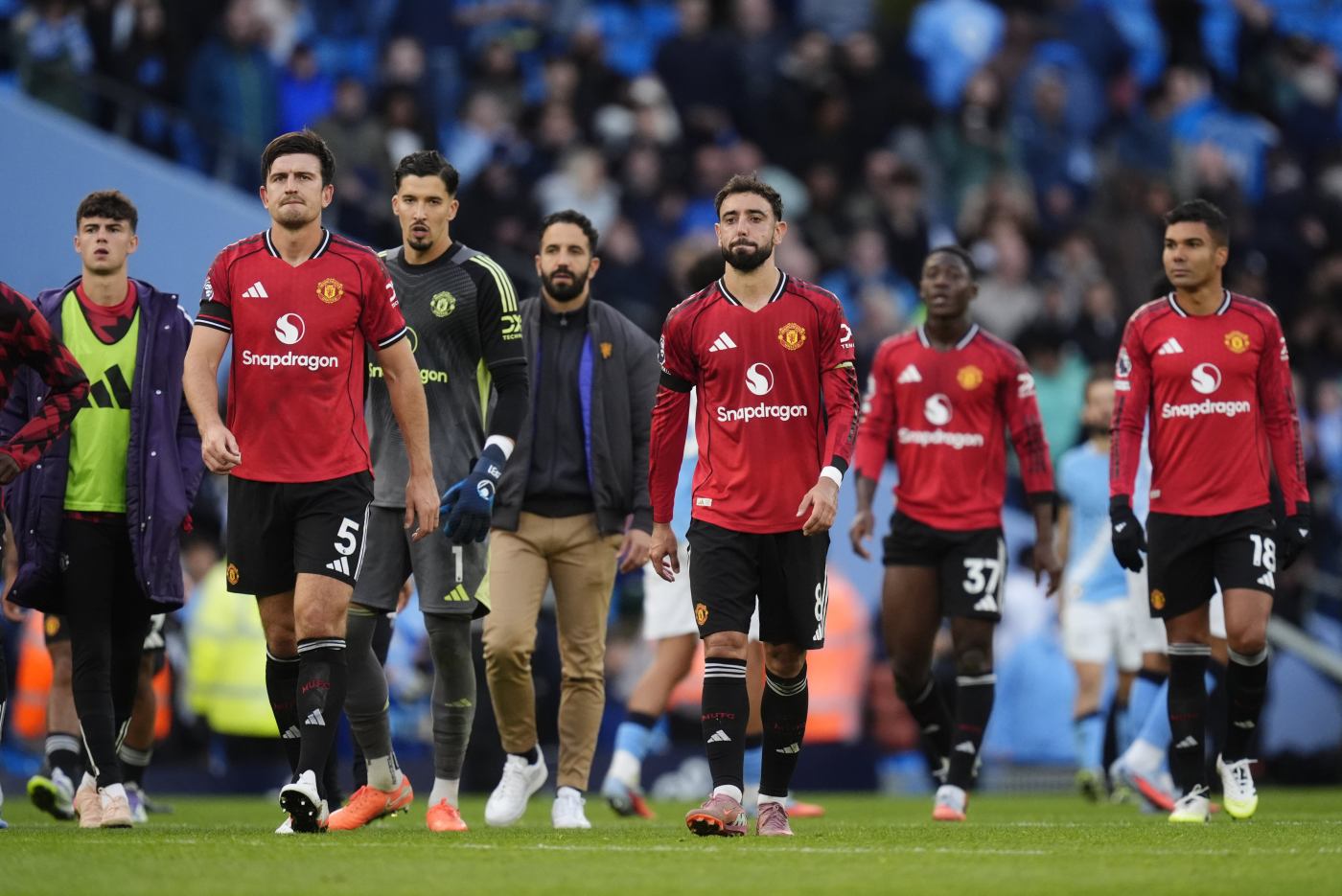
Manchester United has lauded their partnership with Snapdragon, which has been characterized as the most lucrative shirt sponsorship deal in global sports. This collaboration has clearly contributed to an increase in extensive revenues for the club, with commercial revenues reaching £333.3 million and matchday revenues hitting a record £160.3 million. The ability to generate such figures during a challenging season indicates the club’s resilience and the strength of its brand.
However, it is crucial to note the underlying effects of these revenues. The overall losses reduced significantly from £113.2 million to £33 million, a clear indicator of effective financial management, brought about by drastic cost-cutting measures overseen by co-owner Sir Jim Ratcliffe. These measures have included the redundancy of over 250 staff members at Old Trafford, as the club navigates through a period of transformation designed to refocus on both sporting and commercial objectives. Specific expenditures, such as £36.6 million toward exceptional items, emphasize the costs associated with these decisions, including payments to former employees and adjustments resulting in strategic business shifts.
The drop in broadcasting revenue—by £48.9 million to £172.9 million—is another consequence of not qualifying for the elite European competition, which often provides significant financial gains. However, Ratcliffe has made it clear that although these changes may be painful, they were vital for ensuring the club’s financial viability, stating that Manchester United could have faced bankruptcy without these tough choices.
Moving forward into the 2025/26 season, Manchester United aims to generate between £640 million to £660 million in revenue, despite the absence of European football. This forward-looking projection reflects the club’s ambition and strategic plans to leverage their brand power in new ways. Chief Executive Omar Berrada is optimistic about the additions to both the men’s and women’s first-team squads, emphasizing that, while there have been numerous changes, the club is positioning itself effectively for future success on and off the pitch.
Berrada noted, “As we settle into the 2025/26 season, we are working hard to improve the club in all areas.” His sentiment highlights both an acknowledgment of past challenges and a promising outlook for recovery and growth. As the club seeks to enhance operational efficiency through continued cost-reduction measures, their focus will remain steadfast on generating increased value for fans and partners alike.
With a commitment to enhancing both sporting performance and financial health, Manchester United is poised for a pivotal period that could redefine its trajectory in the competitive landscape of football. The club’s ability to adapt and innovate in these areas will be crucial for their aims to achieve sustained success in the years to come.
 World of sports
Leave a comment