
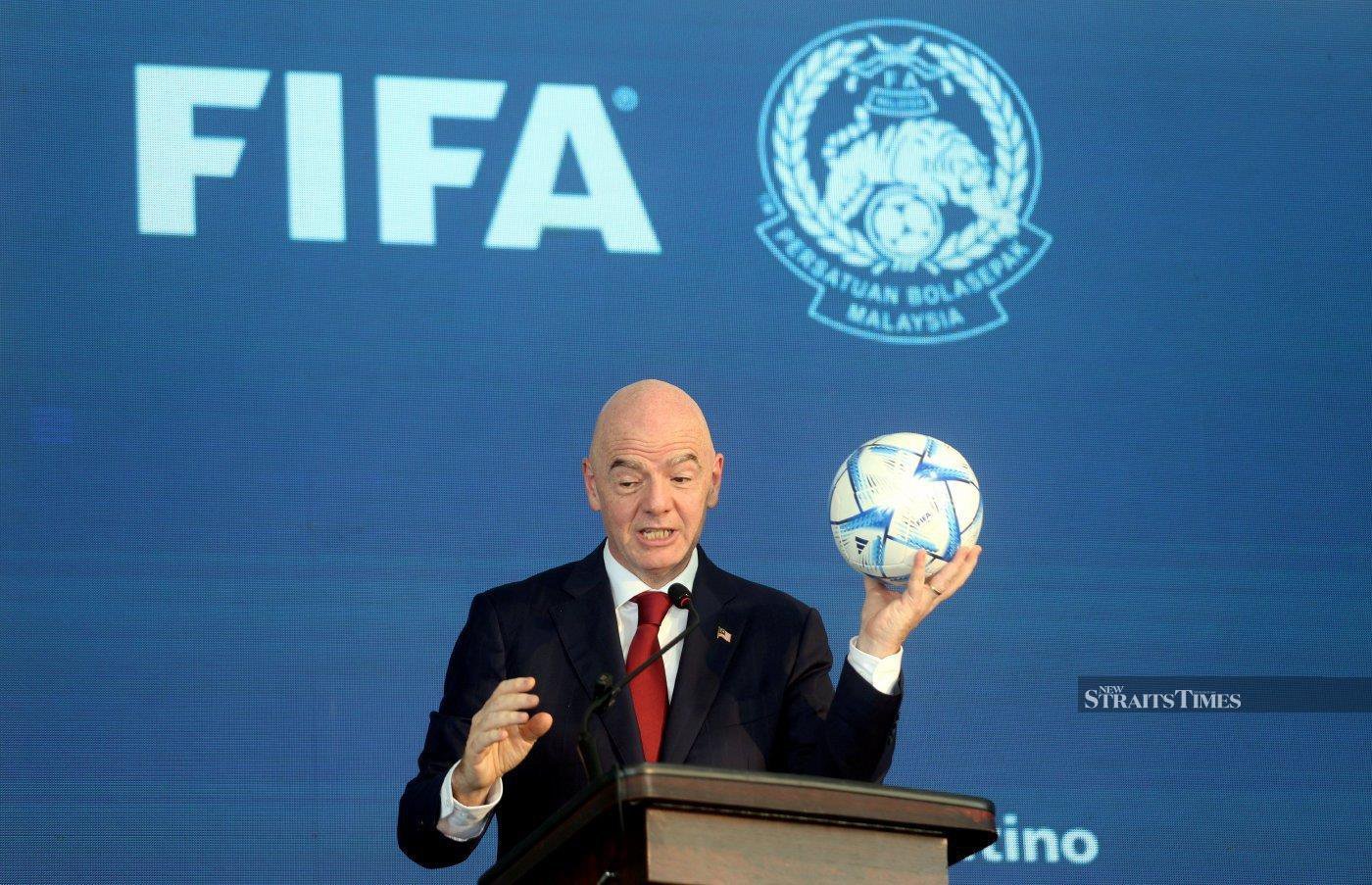
Fifa finds itself under significant scrutiny as it faces accusations of compromising efforts to address player welfare by engaging with what has been labeled as “fake” unions. The World players’ union, known as Fifpro, has openly criticized Fifa for reportedly forming organizations that align closely with its interests to conduct consultation processes, rather than collaborating with established football representative bodies that genuinely advocate for players’ rights and welfare. This raises alarms about the sincerity of Fifa’s commitments and whether the voices of actual players are being sidelined in favor of a more controlled narrative.
Fifpro has escalated its criticism by stating that Fifa employs similar tactics with agents and football fans, revealing a troubling pattern that suggests a disregard for authentic stakeholder engagement. Such actions could lead to a lack of trust among players and their representatives, casting doubt on the legitimacy of any welfare initiatives proposed by the governing body.
In the wake of these allegations, Fifa has announced various initiatives following a recent meeting focused on player welfare that took place in Rabat, Morocco. However, it’s notable that Fifpro, which represents a staggering 66,000 players worldwide, was not included in this pivotal discussion. This exclusion raises critical questions about the authenticity of Fifa’s commitment to improving player welfare and whether they genuinely consider the perspectives and concerns of the entire football community.
The issue of player welfare has become increasingly urgent in contemporary football, with serious implications for players’ physical and mental health. Fifpro has previously launched legal action against Fifa, citing that the congested football calendar poses a considerable risk to players’ well-being. A year ago, Manchester City midfielder Rodri expressed that players were on the verge of staging a strike due to an overwhelming increase in match schedules. Unfortunately, mere days later, he experienced a career-threatening knee injury, exemplifying the very real dangers players face in an overloaded competitive environment.
In their defense, Fifa noted that the Rabat meeting included representatives from 30 national player unions, as well as members of its Players’ Voice Panel—a group of former players selected to advise Fifa. During this meeting, several initiatives were unveiled aimed at enhancing player welfare. Among these were plans to establish a Professional Players Consultation Forum and proposals focused on ensuring adequate rest and recovery for players. Specifically, Fifa suggested that players should receive a minimum of 72 hours of rest between matches and a 21-day interval between seasons, which is crucial for maintaining their overall health.
Fifa President Gianni Infantino has reiterated the organization’s commitment to fostering improved player welfare and working conditions worldwide. He emphasized the organization’s intent to introduce concrete and effective measures that aim to enhance the future of football. Nevertheless, skepticism lingers regarding the earnestness of these assurances, especially considering Fifpro’s claims of an earlier player welfare fund that Fifa had established but subsequently dissolved in 2022.
The Rabat meeting followed a comparable conference on player welfare that took place in New York in July, which, notably, Fifpro also did not have the opportunity to attend. This earlier meeting occurred just before the Club World Cup final—a tournament that has been controversially expanded from seven to 32 teams under Fifa’s management. Such expansions serve to highlight the broader commercial interests at play, often overshadowing the critical aspects of player well-being.
As the dialogue surrounding player welfare unfolds, the football community is left anticipating further developments. Particularly pressing is how Fifa will take meaningful and transparent actions to address these critical issues. The stakes for player health and safety are high, and there is an urgent need for genuine cooperation and dialogue with player representatives to ensure that the future of the sport prioritizes the well-being of its athletes above all else.
 World of sports
Leave a comment