
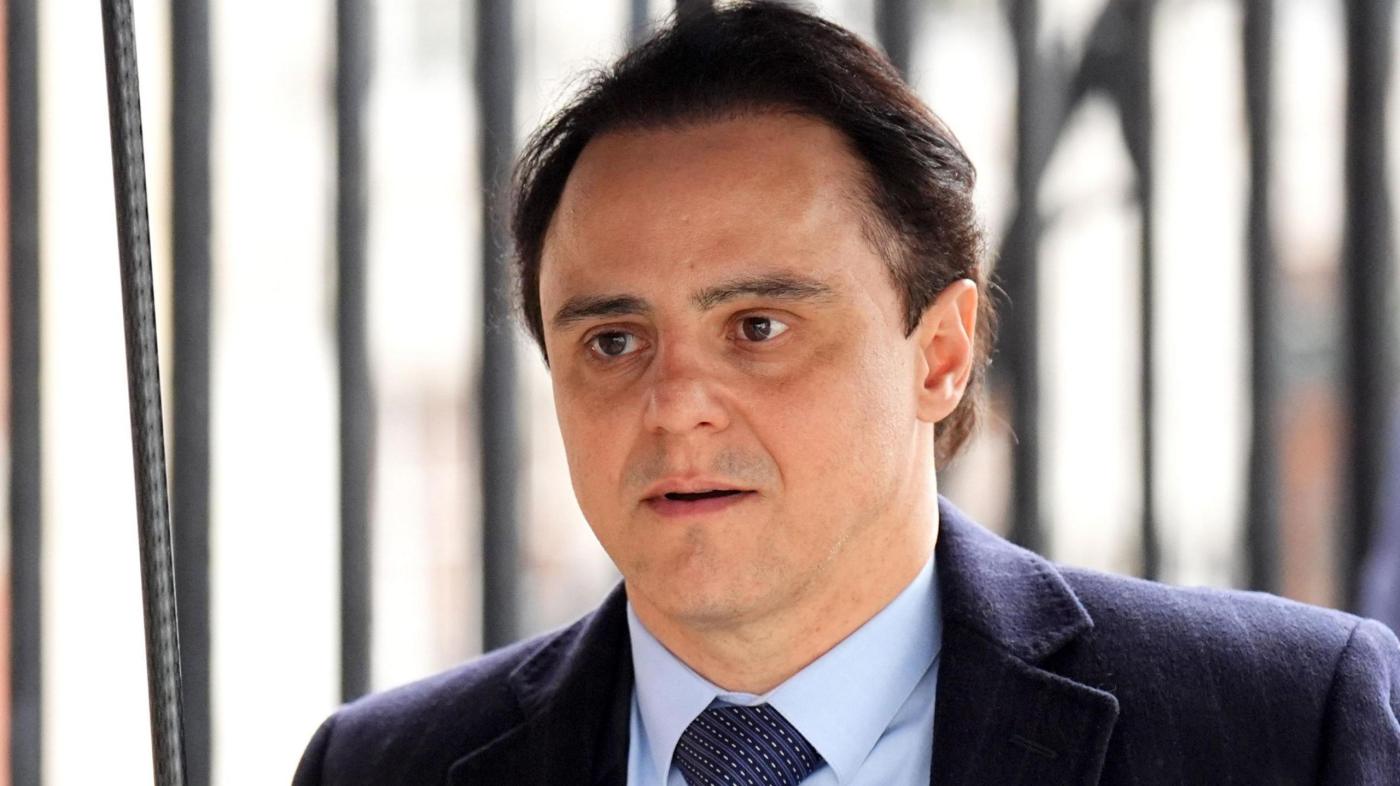
Lewis Hamilton’s first F1 world championship is at the center of a legal dispute, with former Ferrari driver Felipe Massa pursuing a £64 million claim against Formula One Management (FOM), the sport’s governing body, the FIA, and Bernie Ecclestone in a London court. This high-profile case has drawn significant attention, given the implications it may have on the world of Formula 1 racing and the legacy of the championship.
Massa’s claim stems from events during the 2008 Singapore Grand Prix, where he argues that he is the rightful winner of the championship title. During that race, Renault orchestrated a controversial victory for Fernando Alonso by instructing Nelson Piquet Jr. to deliberately crash, resulting in a safety car deployment that disrupted Massa’s race strategy. This strategy compromise led to Massa finishing in 13th place, while he ultimately lost the title to Hamilton by a mere point—a situation that Massa and his legal team assert puts him in a position of rightful claim to the championship title.
In the aftermath of the grand prix, Nelson Piquet Jr. made admissions that he had been under instructions to crash, raising serious questions about the integrity of that race and the governance of F1. Massa’s legal representatives argue that Bernie Ecclestone, who was a powerful figure in F1 for decades prior to his departure in 2017, had prior knowledge of the arranged crash and the subsequent ramifications. Furthermore, they claim that both Ecclestone and the FIA failed to take action to properly investigate the incident, which they believe compromised the championship results.
Despite attempts from Ecclestone, the FIA, and FOM to dismiss Massa’s claim, stating that the driver had performed poorly at the 2008 Singapore Grand Prix and that the claim was filed too late, a High Court judge has permitted the case to proceed to trial. Mr. Justice Jay ruled that while Massa faces challenges in establishing that the FIA owed him specific duties, there is potential merit in his unlawful means conspiracy claim, warranting further examination in a full trial.
While part of Massa’s original claims were dismissed by the court, including a request for declaratory relief—essentially seeking a formal recognition of his potential championship victory based on alleged FIA misconduct—the judge noted that the court’s role cannot rewrite the outcome of the 2008 championship. Justice Jay emphasized that granting such declarations would excessively interfere with the FIA’s autonomy and governance.
In expressing his thoughts post-ruling, Felipe Massa declared that the legal decision was a significant victory, stating, “This is a tremendous victory, a great day for me, for justice, and for everyone who loves Formula 1.” He emphasized his determination to pursue the truth vigorously and expressed confidence in unearthing all pertinent evidence surrounding the conspiracy allegations against the defendants.
The FIA also released a statement indicating the court’s decision to allow the unlawful means conspiracy claim to progress toward a full trial, albeit on slightly narrowed grounds. This signals a notable step forward for Massa as he navigates the complexities of the legal system in an attempt to overturn the perceived injustices he faced during the 2008 championship.
During the October hearing, the dialogue between the legal teams revealed the various positions held by the parties involved. Nick De Marco KC, representing Massa, argued that the defendants could not prove that Massa’s claims lack substantial merit and insisted that there is a viable path to success for his client. Conversely, counsel for the defendants conveyed that the claim is misguided and relies heavily on Massa’s own errors throughout the championship season.
As the case evolves, it will not only hold implications for the personal legacy of Felipe Massa but could also impact the broader context of governance and accountability within Formula 1. The outcome of the trial will garner significant interest from fans and stakeholders alike, as it may reveal deeper issues within the sport’s regulatory practices and historical events that have shaped the landscape of F1 racing.
 World of sports
Leave a comment