
Iran has recently announced its intention to boycott an upcoming event in Washington due to the U.S. government’s decision to deny visas to several members of its delegation. However, it is important to note that Iran does not plan to withdraw from the World Cup at this juncture. The United States has historically maintained stringent visa restrictions on citizens from select countries, including Iran, citing various political and security concerns.
Amir-Mahdi Alavi, a spokesman for the Iranian Football Federation (FFIRI), remarked that the officials encountered “visa obstacles that extend beyond considerations related to sports.” While the U.S. issued only four visas, which included one for the head coach of the team, the application for FFIRI President Mehdi Taj to attend the ceremony at the Kennedy Center on December 5th was notably denied. Iranian officials perceive this action as a politically motivated decision, rather than purely one related to sporting events, and have taken steps to inform FIFA, urging the football governing body to step in and address the situation.
This development has sparked speculation that the ongoing travel restrictions could ultimately affect Iran’s ability to participate in the World Cup tournament scheduled to occur across the United States, Canada, and Mexico. Nevertheless, officials have not yet made a definitive statement regarding a potential boycott of the World Cup itself. The situation underscores the larger diplomatic friction between the two nations, especially considering that the U.S. previously signaled possible visa exemptions for athletes and support personnel attending major sports events, although it remains uncertain how this would apply to the upcoming tournament draw.
In response to the visa issue, Mehdi Taj remarked: “We are assessing our options, which will greatly depend on the timing and circumstances surrounding this matter. We are in ongoing discussions with the Iranian foreign ministry and relevant authorities to gauge our next steps, and we will make an informed decision when the conditions are appropriate. The stance of the Iran Football Federation executive committee is that no one will attend the event unless all visa applications are approved. It appears increasingly evident to us that this matter has been politicized. We have communicated our concerns to FIFA’s president, Mr. Infantino, expressing that a political stance has been taken and that the situation has become more about politics than about sports. We firmly believe that FIFA should take a stand against such practices.”
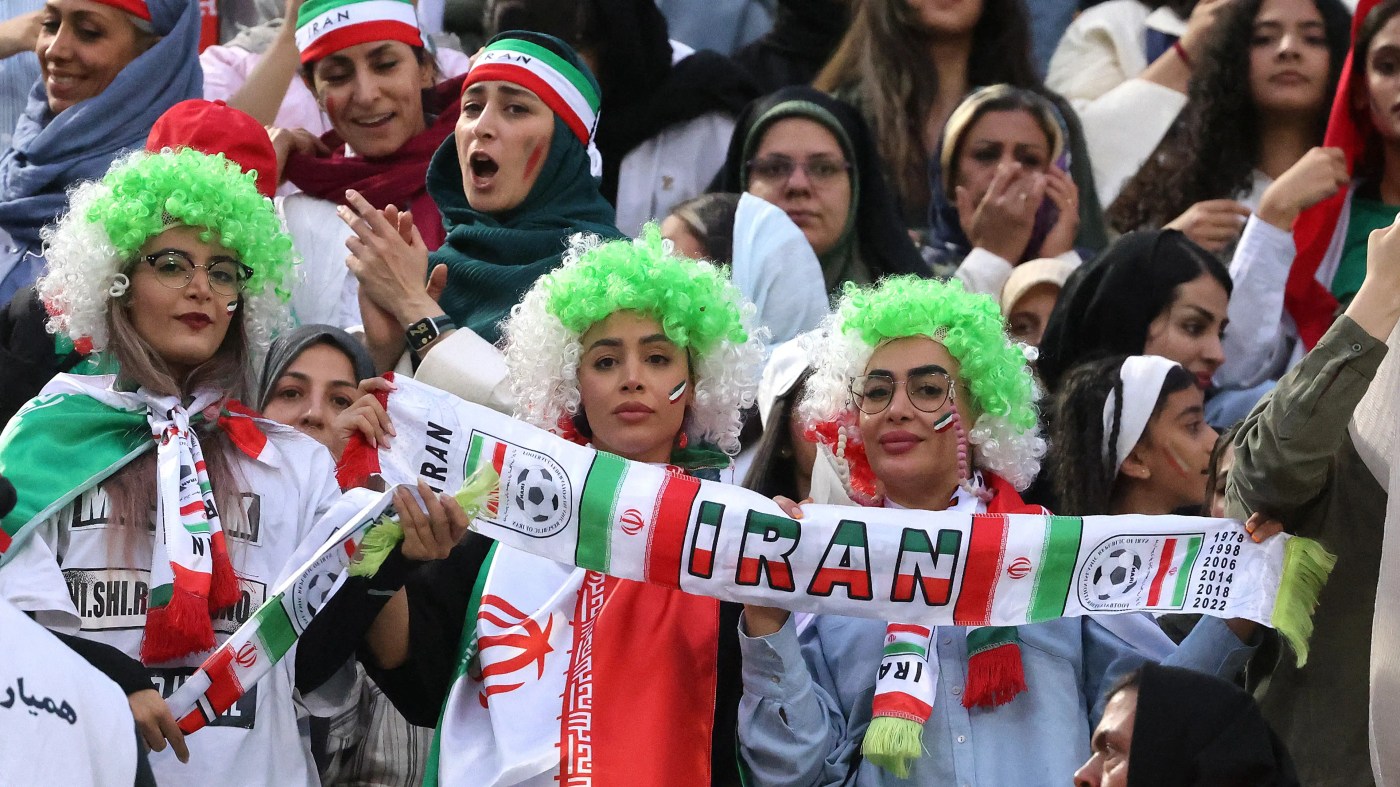
Historically, Iran has successfully navigated through the challenging qualification process of the Asian Football Confederation (AFC) to secure places in the last four consecutive FIFA World Cups: those in 2014, 2018, 2022, and now looking ahead to the 2026 tournament. This will bring their total to seven participations throughout their World Cup history.
During the qualification phase for the 2014 World Cup, Iran excelled in their final group, securing the top position with a significant victory over South Korea. Their impressive performance continued as they qualified for the 2018 tournament by finishing undefeated in their group, remarkably without conceding a single goal in the final rounds. For the 2022 World Cup, Iran again topped their group, becoming the first Asian team to secure their spot with a victory over Iraq. Their most recent qualification for the 2026 World Cup came with a crucial draw against Uzbekistan during the third round of qualifiers in March 2025, marking the remarkable achievement of securing a fourth consecutive appearance, showcasing their consistent elite performance within their confederation.
While there are presently no indications that Iran will officially boycott the World Cup, the continuing visa complications could lead to a reevaluation of their participation. If a withdrawal occurs, FIFA would face a significant decision regarding potential replacements. According to FIFA regulations, should a team withdraw or be excluded from the competition, the Organising Committee is endowed with the authority to make determinations solely at their discretion and take whatever actions they find necessary. Should Iran withdraw prior to the main tournament draw, FIFA may look to invite a replacement team to maintain balance in the groups, potentially selecting the highest-ranked non-qualifying team from the AFC. Conversely, if they pull out after this stage, it is likely that the spot would remain vacant, with opposing teams awarded victories by forfeit.
In summary, the situation surrounding Iran’s involvement in international football events not only reveals challenges pertaining to sports administration but also highlights the intricate fabric of international relations and diplomacy. Decisions from both FIFA and the U.S. regarding the resolution of the visa dilemma will be crucial in shaping the nature of these sports events and, more broadly, the political relationships that develop in the region as the World Cup draws nearer. The unfolding of these events will be monitored closely, as the implications extend beyond the football pitch into the realm of geopolitical interactions.
 World of sports
Leave a comment