
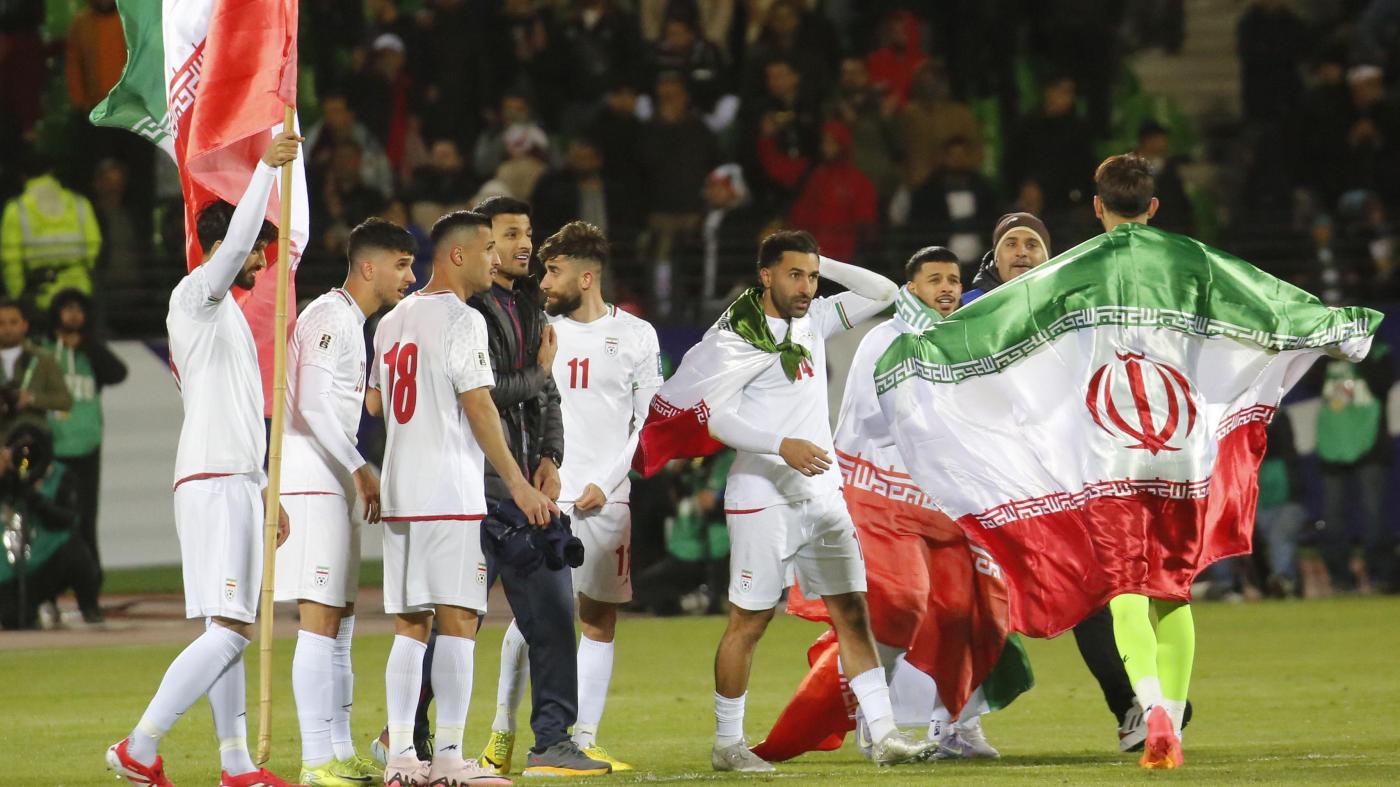
A delegation from Iran is set to participate in the drawing for the 2026 World Cup in the United States this Friday, following a contentious visa dispute that nearly led to a boycott. Initially, Iran had submitted applications for nine visas, but only four were approved. This situation was particularly critical as Mehdi Taj, the president of the Iranian football federation (FFIRI), was among those whose visa requests were turned down.
In recent comments, Taj made it clear that he communicated with FIFA president Gianni Infantino, expressing that no representatives from Iran would attend the draw unless all visa applications were granted. This strong statement underscored the pivotal nature of secure and equitable travel arrangements in international sporting events, especially for nations grappling with complex diplomatic relations.
Despite the visa setbacks, two noteworthy figures from Iran have already made the trip to the United States: the national team’s coach Amir Ghalenoi and Omid Jamali, who oversees international relations for the FFIRI. Their willingness to travel suggests a commitment to engaging with the global football community, and there remains the potential for more delegates to join them, thereby enhancing Iran’s presence at this crucial event.
The World Cup draw will occur in Washington DC at 17:00 GMT, and it represents a significant milestone for Iran, which has successfully qualified for its seventh World Cup event and its fourth in a row. This achievement highlights the nation’s ongoing development and dedication to football on the world stage, showcasing the talent and resilience of its athletes.
The travel issues faced by the Iranian delegation reveal broader geopolitical dynamics, particularly the U.S. government’s stringent visa policies affecting Iranians due to historical political tensions. In June, former U.S. President Donald Trump enacted an executive order that banned individuals from twelve nations, including Iran, from entering the U.S., citing national security concerns. Nonetheless, there are exceptions carved out for athletes and coaching personnel traveling for high-profile competitions such as the World Cup and the future 2028 Olympics in Los Angeles, indicating a nuanced approach to sports and diplomatic relations.
As the draw approaches, the interplay between visa access, international participation, and broader political contexts underscores the complexities involved in global sporting events. The situation serves as a reminder of how sports can both bridge divides and highlight the challenges inherent in international relations. The Iranian team’s resilience and commitment to the World Cup embody not only their sporting spirit but also an important narrative about overcoming barriers in pursuit of excellence in the realm of sports.
 World of sports
Leave a comment