
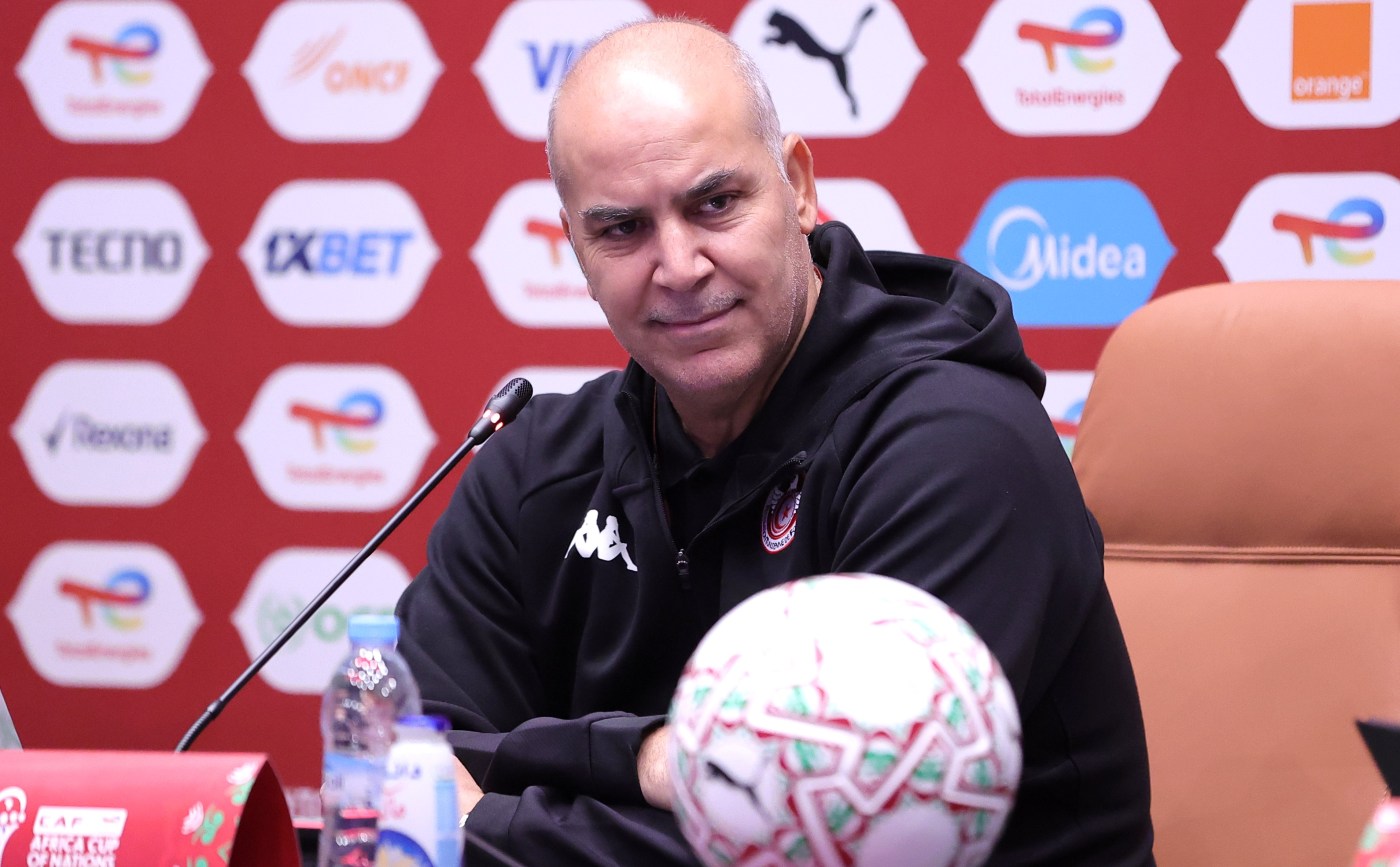
Sami Trabelsi, the coach of Tunisia’s national football team, has been dismissed from his position just one day after the team’s disappointing loss to Mali in the last-16 stage of the 2025 Africa Cup of Nations (Afcon). This unexpected decision has created a stir in the football community, reflecting the high stakes of international competition and the intense scrutiny faced by national team coaches.
During the match held in Casablanca, Tunisia found themselves in a favorable situation, playing against a Mali team that had been reduced to 10 players for over 90 minutes. Despite this clear numerical advantage, the Tunisian squad struggled to convert their opportunities into goals, leading to a tense game that extended into extra time.
In what many fans hoped would be a triumphant moment, Tunisia managed to score in the 88th minute, seemingly setting the stage for their advancement in the tournament. However, the situation took a dramatic turn when, in the sixth minute of added time, Tunisia conceded a penalty that allowed Mali to equalize, snatching away their hard-earned lead. The ensuing penalty shootout proved to be a nail-biting affair, but ultimately, Tunisia lost their edge and fell short, resulting in their departure from the competition.
Following this heart-wrenching defeat, the Tunisian Football Federation announced via social media that they had decided to end Trabelsi’s coaching tenure by mutual consent, a decision indicative of the urgent need for change within the team’s management. Trabelsi, who is 57 years old, had recently taken on the role of head coach for the second time, having first led the Carthage Eagles back in 2013, when he resigned after a disappointing showing in that year’s Afcon tournament.
Under Trabelsi’s latest tenure, Tunisia finished in second place in Group C of this year’s Afcon, where they initially displayed promise by winning their opening match 3-1 against Uganda. However, they followed this up with a narrow defeat of 3-2 to Nigeria and a disappointing 1-1 draw with Tanzania, which highlighted their struggle to maintain consistent performance throughout the tournament.
In the wake of their elimination, Trabelsi articulated the profound sense of “great disappointment and pain” that followed the team’s exit, and he acknowledged the heavy burden of responsibility that lay on his shoulders as the coach. His departure opens a new chapter for Tunisian football, as the federation now sets its sights on identifying a new leader who can bring fresh ideas and strategies to the national team. The hope is that these changes will invigorate the squad and foster a winning mentality, especially as Tunisia prepares for the upcoming qualification process for the 2026 World Cup, where the aspirations for success are higher than ever.
 World of sports
Leave a comment