
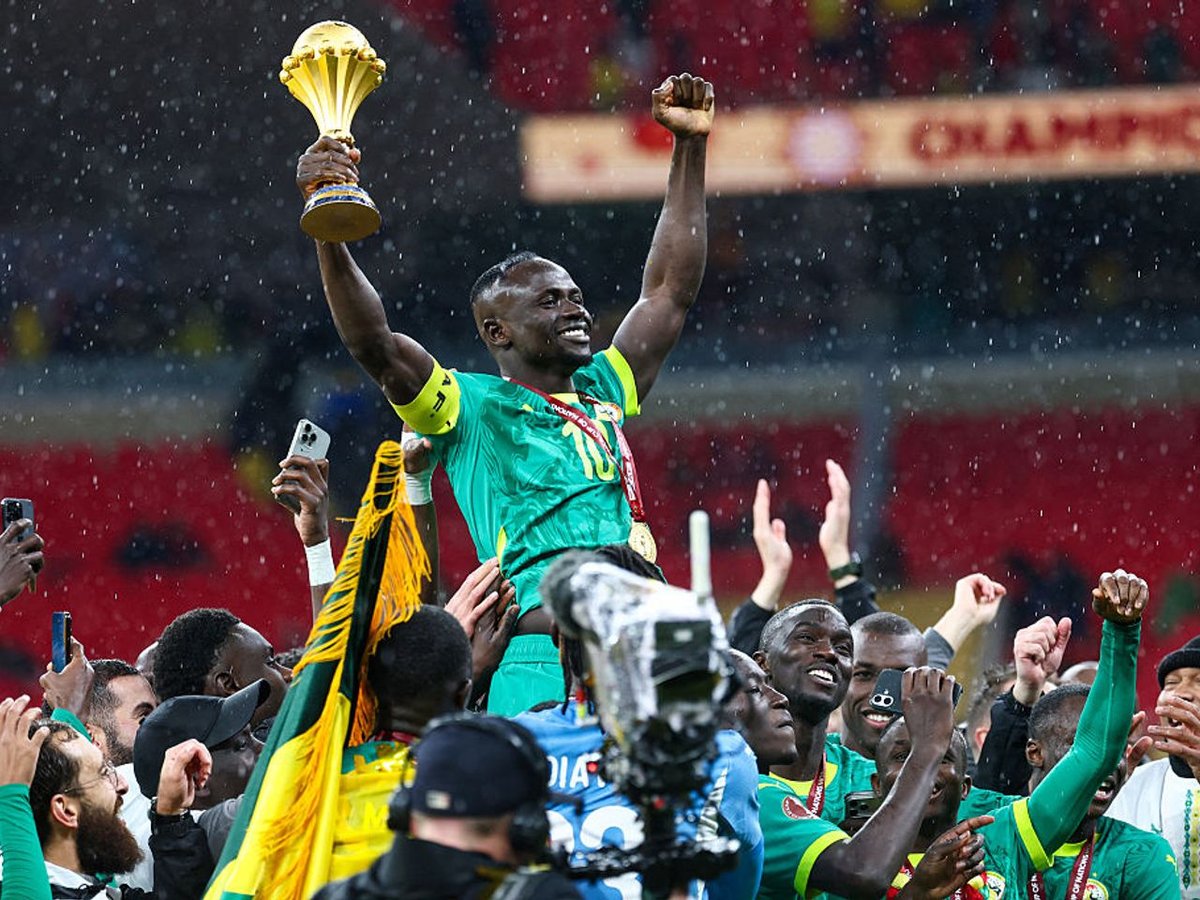
Senegal triumphed over Morocco to claim their second Africa Cup of Nations title, but the final became infamous for the drama that unfolded when the Senegalese players temporarily walked off the pitch. This unprecedented move followed a contentious penalty awarded to Morocco in stoppage time while the match stood at a stalemate.
In a tense atmosphere characterized by a heated contest, Villarreal’s Pape Gueye ultimately became the hero for Senegal, netting the decisive goal in the fourth minute of extra time and leading his team to victory, marking their second title in four years.
The final had promised to be a thrilling showcase of African football talent, but it devolved into disarray as the match progressed. After a goalless first 90 minutes, the situation escalated when a contentious penalty was awarded to Morocco in stoppage time. This decision came on the heels of a disallowed goal for Senegal, which only contributed to the frustration felt by the players and their supporters.
Senegal’s coach, Pape Thiaw, decided to lead his team off the field, amid a cacophony of cheers from Moroccan fans and jeers aimed at the Senegalese side. The unexpected walk-off lasted around 14 minutes, during which the tension in the stadium grew palpable. The players eventually returned, and goalkeeper Édouard Mendy performed heroics by saving Brahim Díaz’s penalty in the 24th minute of second-half stoppage time, a crucial moment that kept Senegal’s hopes alive.
This thrilling save re-ignited excitement among Senegalese fans, even as protests continued to unfold around them, including attempts by supporters to enter the pitch and confrontations among journalists in the press box. After an intense period of play that saw both teams striving for victory, Gueye finally broke the deadlock in the fourth minute of extra time. He unleashed a superb shot into the top right corner with his left foot, giving Senegal a 1-0 lead just before the end of the first extra period.
Yet the match was marred by more drama when a second controversial penalty was awarded to Morocco in the 98th minute after defender El Hadji Malick Diouf was deemed to have fouled Brahim Díaz. Thiaw, visibly frustrated with referee Jean Jacques Ndala’s decisions, particularly the one that ruled out a goal for Senegal just moments earlier, attempted to have his players leave the field again.
When the game resumed roughly 16 minutes later, achieving an air of suspense, Díaz took the penalty but instead of scoring, his audacious Panenka shot was thwarted by Mendy, who once again stepped up in a moment of high pressure.
The tremendous save reflected Mendy’s dedication and prowess, but it also highlighted the tensions in the atmosphere, which had been charged throughout the game. Adding to the drama, Sadio Mane, a standout for Senegal, urged his teammates to continue playing, emphasizing the importance of finishing the match strong despite the prior upheaval.
Gueye’s extraordinary effort in extra time would ultimately seal Senegal’s victory, but for Morocco, the defeat marked yet another disappointment in their long quest for an African championship, leaving the team to grapple with the missed opportunity of securing their first AFCON title since 1976.
In the aftermath of the match, criticism directed at Senegal’s players and their coach for temporarily refusing to take part in the game emerged from various corners. Former Wimbledon player Efan Ekoku was particularly outspoken, claiming their actions set a poor precedent for African football. He decried the decision to abandon play, emphasizing that, regardless of grievances with the referee’s calls, players must respect the authority and decorum of the game. His sentiments were echoed by former Afcon winner John Obi Mikel, who expressed that while he understood the players’ frustrations, the display was not something he wished to witness on the football pitch.
Despite the negative perceptions clouding the final moments of the match, one player who consistently exhibited commendable sportsmanship was Mane. His reluctance to leave the field showcased his commitment to represent his country and its supporters. After the final whistle, he even took the time to approach the Senegalese fans, urging them to keep calm amidst rising tensions.
Security measures were heightened, with lines of armored police forming a barrier in front of the overly passionate fans, underscoring the potential for violence that had unfolded during the course of the match. In conclusion, while Senegal’s victory will forever be etched in history, it also serves as a potent reminder of the passion, complexities, and sometimes volatility that accompany high-stakes matches in football. The events of this AFCON final will be analyzed for years to come, highlighting not only the artistry of the sport but also the importance of maintaining respect and composure during intense competition.
 World of sports
Leave a comment