
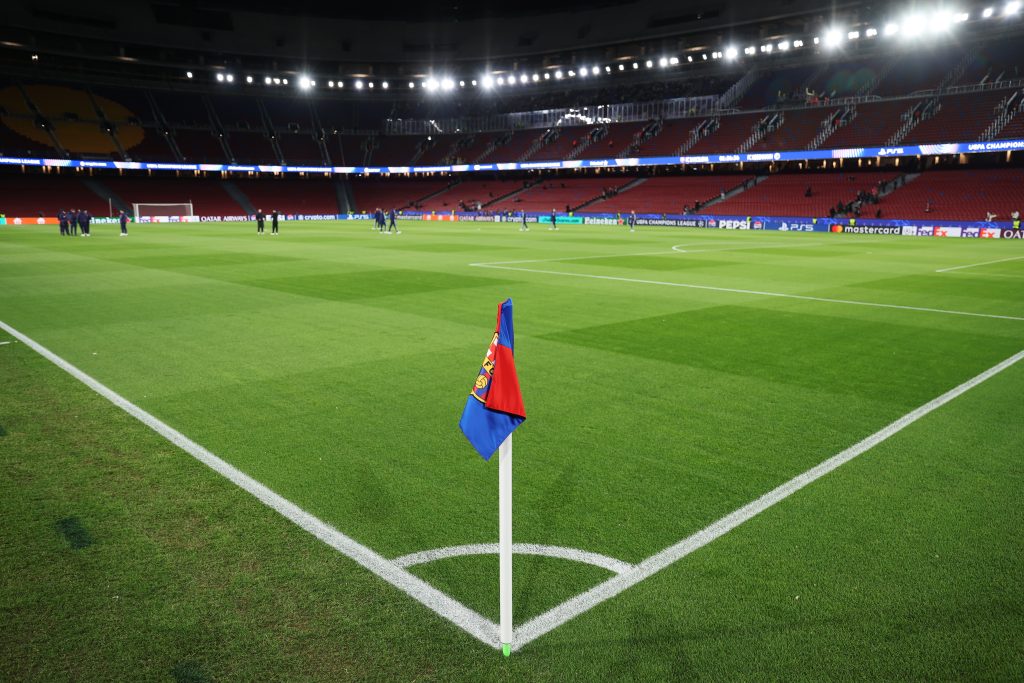
According to a recent report from SPORT, a delegation from FIFA is set to begin an extensive inspection tour of prospective venues for the upcoming 2030 FIFA World Cup in Spain and Portugal next week. This initiative underscores FIFA’s dedication to ensuring that each venue meets the rigorous standards necessary for hosting such a globally significant event.
One of the major highlights of this tour will be a visit to Barcelona, where FIFA inspectors will closely evaluate the progress being made at the newly renovated Spotify Camp Nou. The inspection is scheduled for March 9, providing an opportunity for FIFA officials to assess the renovations in person. This inspection is particularly important as the Camp Nou is undergoing significant upgrades, which aim to enhance its capacity and facilities, ultimately enriching the match-day experience for fans.
Upon completion, the Spotify Camp Nou is anticipated to emerge as the largest football stadium in Europe. Given its history and prominence, it is considered a prime candidate to host the final match of the centenary World Cup, a title that carries considerable prestige. The renovations represent a pivotal component of FC Barcelona’s larger Espai Barça project, designed to modernize the club’s infrastructure and elevate the overall environment for supporters.
In addition to inspecting the Camp Nou, FIFA plans to evaluate several other noteworthy venues. Among these are the Santiago Bernabeu, the Riyadh Air Metropolitano, La Romareda, Estadio de Gran Canaria, Estadio de La Cartuja, Riazor Stadium, San Mames, and Anoeta. Each of these stadiums possesses its own unique features, and FIFA’s team will assess their readiness, capacity, and suitability to host matches as well as accommodate the anticipated influx of global visitors.
Moreover, the RCDE Stadium in Barcelona will also be reviewed as a potential secondary venue for the tournament. This is part of a broader strategy to ensure that multiple venues can accommodate fans and teams during the event, highlighting FIFA’s proactive approach to potential logistical challenges. Although the final roster of host venues won’t be finalized until December 2026, the renovation of Camp Nou has positioned it as one of the strongest contenders to host what could be the monumental final, standing mainly against the renowned Bernabeu.
FIFA’s inspection will involve a thorough examination of various critical components such as infrastructure integrity, construction progress, logistical capabilities, and the legal and financial frameworks of each venue. This comprehensive analysis is crucial, as it directly influences the decision-making process regarding the selection of venues for the World Cup, underscoring FIFA’s commitment to creating a seamless and successful tournament experience.
The timing of this inspection is essential, particularly for the Espai Barça project. FC Barcelona has reported significant advancements in the renovation progress, with statements from former president Joan Laporta and current vice-president Elena Fort emphasizing the project’s momentum. Presently, the construction of the third tier of seating is advancing swiftly, reflecting the club’s urgency and dedication to achieving its goals.
As construction continues, fans can already see the facade panels of the stadium taking shape, signaling the transformative changes unfolding at this historic venue. The immediate aim is to achieve a seating capacity of 62,000 spectators once the Barcelona city council grants the Phase 1C occupancy license, which will enable the reopening of the Gol Nord section, allowing more supporters to enjoy live matches and partake in the electric atmosphere.
Ultimately, the fully revamped stadium is expected to accommodate up to 105,000 spectators, solidifying its place not only as a top-tier sporting arena but also as a cultural cornerstone within Barcelona. However, challenges remain, notably the installation of the stadium’s roof, which will require time and precise execution to complete. This highlights the complexity and ambitious nature of the renovation endeavors. Overall, the upcoming FIFA inspection is a critical juncture in the project, reinforcing the collaborative efforts to manifest a world-class setting for the highly awaited 2030 FIFA World Cup.
 World of sports
Leave a comment