
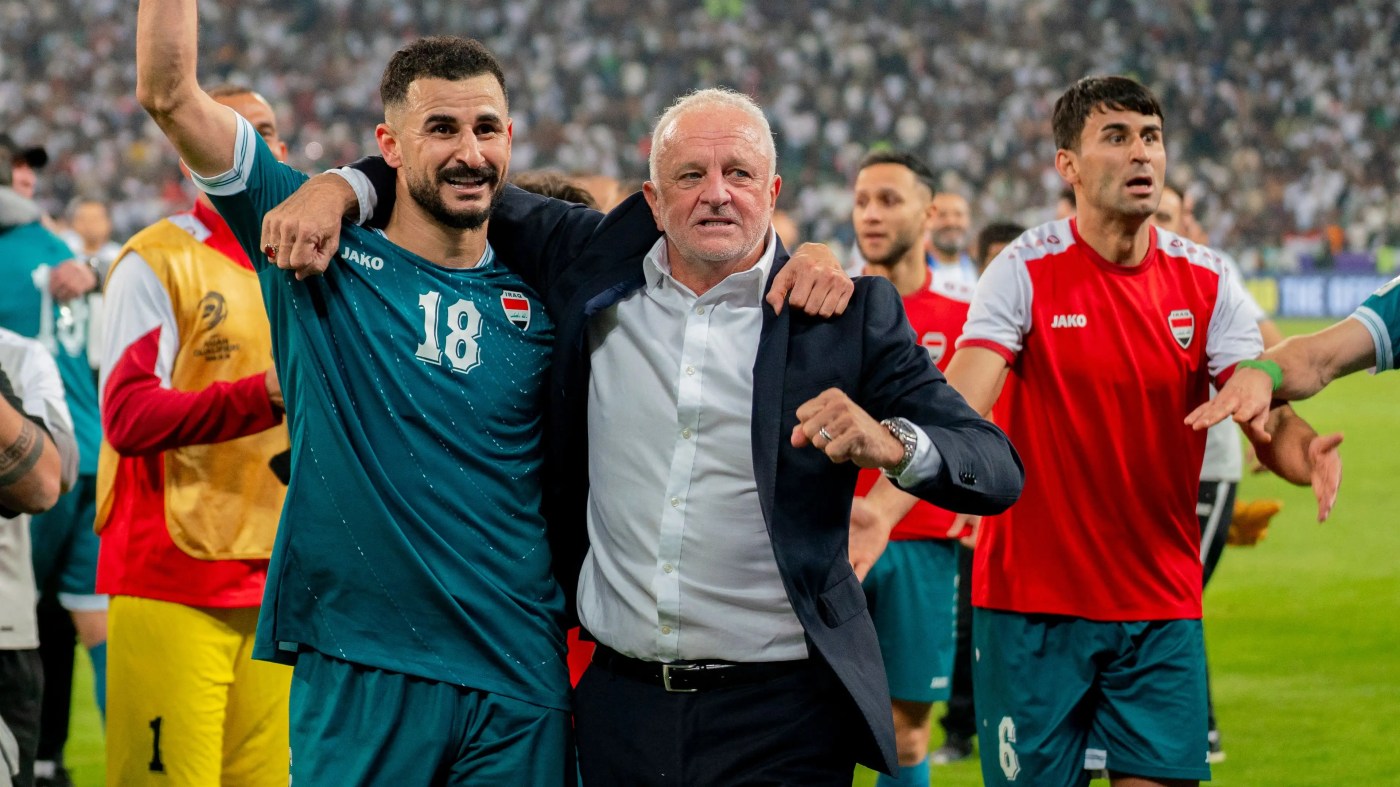
Iraq’s head coach Graham Arnold has made a heartfelt appeal to the international governing body of football, FIFA, urging them to postpone his team’s crucial intercontinental World Cup qualifier due to significant disruptions stemming from the ongoing conflict in Iran. The Lions of Mesopotamia are set to compete against either Suriname or Bolivia in a decisive play-off scheduled for March 31 in Monterrey, Mexico. However, the logistical challenges they are facing have become overwhelming.
Currently, Iraqi airspace is closed until April 1 as the conflict escalates, rendering Arnold’s squad—primarily composed of players from the domestic league—unable to gather and travel for the match. “Please help us with this game because right now we are struggling to get our players out of Iraq,” Arnold expressed to the Australian Associated Press. This plea underscores the gravity of the situation and highlights the emotional weight carried by both the coach and the players, as they navigate the complex circumstances that threaten their dreams of participating in the World Cup.
The situation has been exacerbated by the closure of foreign embassies in the region, inhibiting players from acquiring the necessary visas for the tournament in Mexico. The uncertainty is growing for those athletes who, under normal circumstances, would have been able to join their teammates without difficulty. Even Arnold finds himself stranded in the United Arab Emirates due to the disruption of travel across the Middle East. These formidable obstacles have forced the cancellation of a crucial training camp that was supposed to take place in Houston, leaving the team’s preparation and morale in disarray.
Arnold has firmly stated that he cannot field a makeshift team comprised solely of players currently based in foreign clubs. “It wouldn’t be our best team, and we need our best team available for the country’s biggest game in 40 years,” he insisted. This importance of presenting a strong, united team reflects the aspirations of a nation longing to return to the global football stage after decades of hardships and challenges.
To address this precarious situation, Arnold has proposed that FIFA considers a strategic postponement of the play-off. This would allow preliminary matches to progress while delaying the final confrontation until conditions are more favorable. He conveyed, “If FIFA were to delay the game, it gives us time to prepare properly. It also provides FIFA with more time to assess the geopolitical dynamics regarding Iran.” This suggestion demonstrates Arnold’s understanding of the larger implications at play, showing his awareness that the political landscape directly influences sporting events.
Additionally, Arnold suggested that delaying the play-off until a week before the World Cup kicks off could provide crucial clarity regarding Iran’s participation. “If Iran decides to withdraw, we go into the World Cup, and it offers the UAE—whom we bested in qualifying—the opportunity to prepare for either Bolivia or Suriname,” he added. His comments not only indicate strategic thinking but also reflect the broader consequences for all involved nations in the tournament.
Behind the scenes, the Iraqi Football Federation is reportedly working diligently to navigate the complexities of this crisis. However, they are in urgent need of a swift resolution from FIFA to plan their next steps. “Our federation’s president, Adnan Dirjal, is working tirelessly to make Iraq’s dream come true, so we need this decision made quickly,” Arnold concluded, emphasizing the high emotional stakes for the Iraqi people. The federation’s ongoing efforts showcase their commitment to their national team and the aspirations of their citizens.
As the ongoing conflict in the Middle East continues to disrupt the international sporting calendar, the global football community is anxiously awaiting a decision from FIFA in Zurich regarding the extension. For Iraq, which has endured a four-decade wait for a chance to compete on the world stage, the potential to be thwarted by logistical issues rather than performance on the field would be an incredibly painful outcome. Football symbolizes hope, resilience, and a chance for redemption, making the stakes of this situation even higher for the players and fans alike. A favorable decision could offer a glimmer of hope and a restoration of pride for a nation that has long yearned for normalized representation in international sports. The world watches closely, hoping for a resolution that honors both the spirit of the game and the aspirations of a beleaguered nation.
 World of sports
Leave a comment