
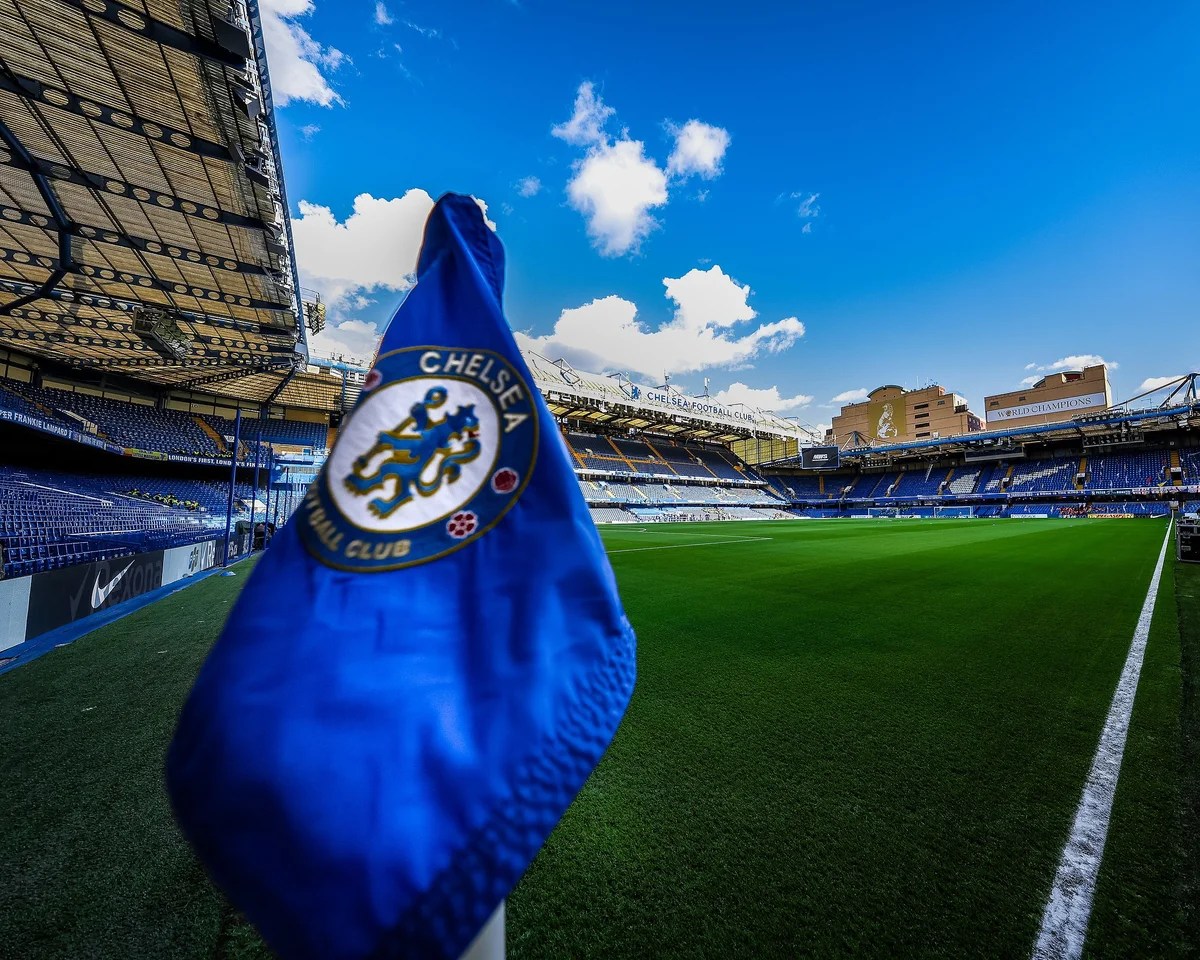
The Premier League has been engaging in a thorough investigation regarding secret payments made by Chelsea Football Club during the period from 2011 to 2018, a time when Roman Abramovich was the owner of the London-based team. These undisclosed transactions reportedly surfaced during the due diligence phase, which took place when the new American ownership acquired the club in 2022.
Chelsea has since been subject to the Premier League’s largest fine to date, amounting to £10.75 million. Additionally, the club faces a one-year transfer ban, which has been suspended for two years, offering a slight reprieve for future dealings in the transfer market. The total fine is tied to secret payments made to agents that collectively reached a staggering £47.5 million during the aforementioned period, alongside violations regarding the registration of youth players.
According to the investigation’s findings, it was established that these transactions occurred with the knowledge and approval of former senior staff members and/or directors of the club. The club’s self-reporting of these irregularities to the Premier League, the Football Association (FA), and UEFA signifies a crucial step in the investigation process, reflecting a willingness to cooperate fully.
Moreover, Chelsea has now been issued a nine-month academy transfer ban, which takes immediate effect. This is related to violations that transpired between 2019 and 2022, compounding the club’s challenges in player development and acquisition. The Premier League report referenced numerous transfers linked to these secret payments, including notable players such as Eden Hazard, Samuel Eto’o, Willian, Ramires, David Luiz, Andre Schurrle, and Nemanja Matic. It’s important to note that there is no implication of wrongdoing on the part of these players regarding the club’s transgressions.
Interestingly, four player names were redacted in the investigation report, adding a layer of intrigue to the findings. Initially, the fine was set at £20 million; however, it was halved due to Chelsea’s proactive self-reporting and their exceptional cooperation during the inquiry, which the Premier League recognized as significant mitigating factors when determining the appropriate sanctions.
Chelsea has expressed its acceptance of the settlement terms, appreciating the Premier League’s acknowledgment of their collaboration throughout the investigation. Nevertheless, the suspended nature of the sentence means that should Chelsea commit any further offences of a similar type, or if there are doubts regarding the authenticity or accuracy of the Club Declaration, the suspended sentence could become active.
Current Chelsea manager Liam Rosenior, despite being new to his role, has emphasized the importance of moving forward from this issue. In anticipation of their Champions League match against PSG on Tuesday, he remarked, “It’s not a negative distraction. Actually, that’s a line drawn through that issue and we can move on and plan to make this club as strong as possible in the long-term. That’s the idea from the ownership, myself and everybody involved in the club.”
Additionally, Chelsea faced another penalty earlier when UEFA fined them £8.64 million (approximately €10 million) in July 2023 for financial discrepancies reported by previous ownership in 2018 and 2019. The investigations revealed at least six suspect payments made to offshore companies in association with transfers, deviating from what was reported to the football authorities at the time. Transfers examined in this regard believed to involve prominent players like Eden Hazard, Samuel Eto’o, and Andreas Christiansen contribute to the ongoing scrutiny the club faces in terms of its financial practices.
Clubs are obligated to provide accurate financial information yearly to both the FA and Premier League, and this requirement extends to UEFA for those participating in its competitions. However, it’s noteworthy that UEFA’s five-year statute of limitations restricts their investigations to breaches occurring from the 2017/18 season onward, while the Premier League does not impose a similar limitation, allowing for more comprehensive monitoring of clubs’ financial activities.
 World of sports
Leave a comment