
Transgender women athletes have been prohibited from participating in female events at the Olympic Games, a decision that aligns with an executive order from former US President Donald Trump as preparations for the 2028 Olympic Games in Los Angeles begin.
The International Olympic Committee (IOC) has enforced a ban on transgender women competing in any female category events at the Olympics and at other IOC-sanctioned activities, which include both individual and team sports. This decision marks a significant shift in the policies governing gender identity and participation in sports, drawing attention to complex issues surrounding fairness and equality.
According to the IOC’s announcement, the policy will not be applied retrospectively and will not affect grassroots or recreational sports programs. The organization argues that these regulations will “protect fairness, safety, and integrity in the female category.” To determine eligibility for female events, athletes will need to undergo a one-time test for the SRY gene, which is indicative of male sex development and remains constant throughout an individual’s life, thereby establishing a biological basis for participation.
The new eligibility regulations set to take effect at the Los Angeles Olympics in July 2028 reflect the IOC’s commitment to upholding what they deem fair competition within women’s sports. Interestingly, it remains uncertain how many transgender women athletes have actually competed at the Olympic level, with no competitor who transitioned from male to female having participated in the upcoming 2024 Paris Summer Games.
Following a comprehensive review, the IOC published an extensive 10-page policy document that also imposes restrictions on female athletes with conditions known as differences in sex development (DSD), such as two-time Olympic champion runner Caster Semenya. This policy arose from a need for a definitive framework rather than relying on various governing bodies in sports, which previously crafted their own inconsistent rules concerning eligibility.
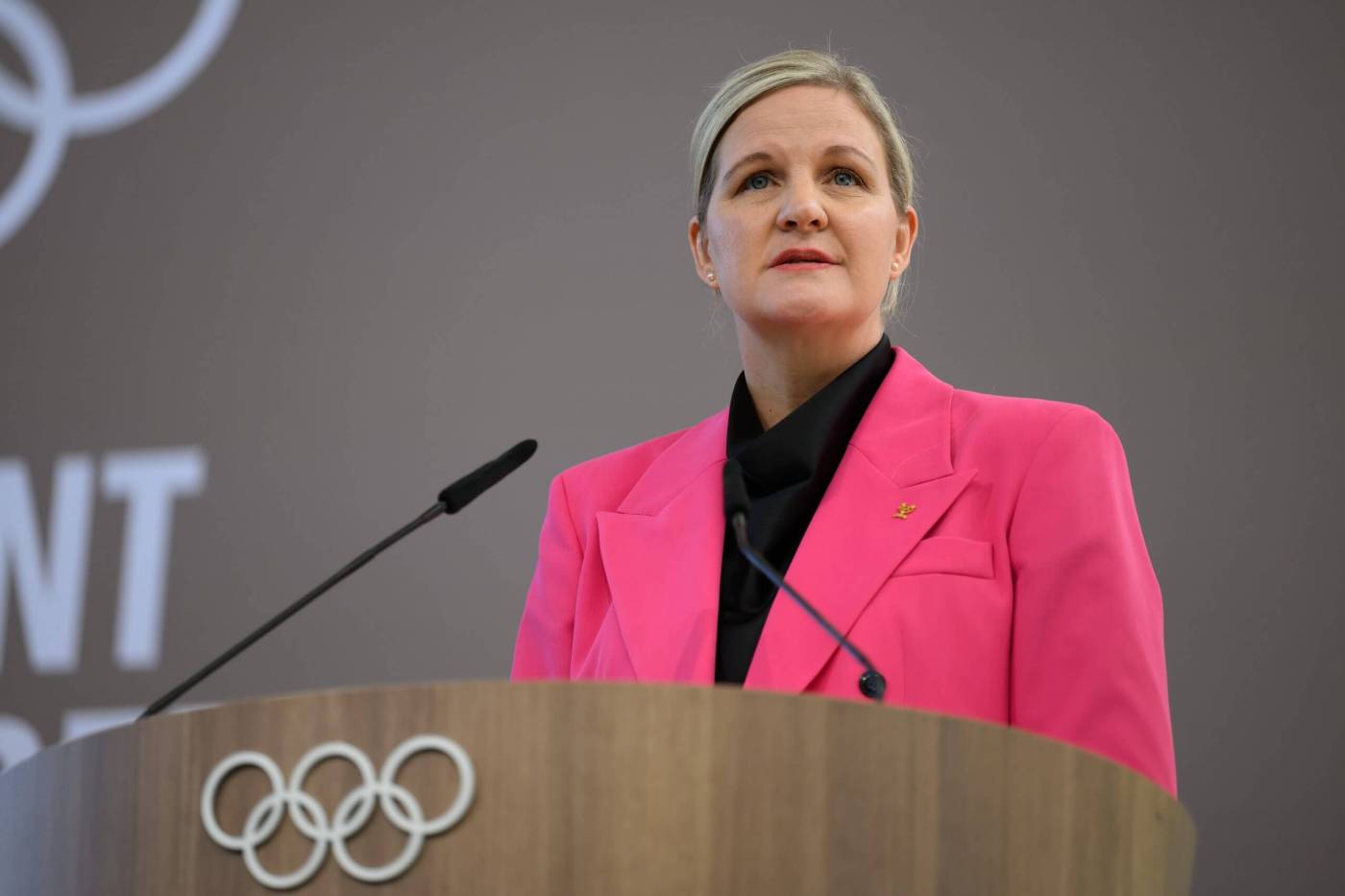
Kirsty Coventry, the IOC’s president and the first woman to hold the position in the organization’s 132-year history, initiated a review focused on safeguarding the female category shortly after her election last June. During her tenure, female eligibility has been a critical topic, particularly in last year’s IOC elections, where her main competitors advocated for more stringent policies to address these concerns.
Prior to the 2024 Paris Olympics, several high-profile sports, including track and field, swimming, and cycling, have already implemented regulations that exclude transgender women who underwent male puberty from competing in female categories. According to the IOC’s findings, individuals assigned male at birth retain certain physical advantages that significantly impact their performance in sports requiring strength, power, and endurance.
The IOC’s document highlights that males develop three crucial testosterone peaks throughout their lives: during fetal development, during infancy, and during puberty, contributing to sustained physical benefits in competitive contexts. As the conversation around transgender athletes continues to evolve, the implications of these policies will likely spark further debate on how to achieve fairness and inclusivity in sports.
 World of sports
Leave a comment