
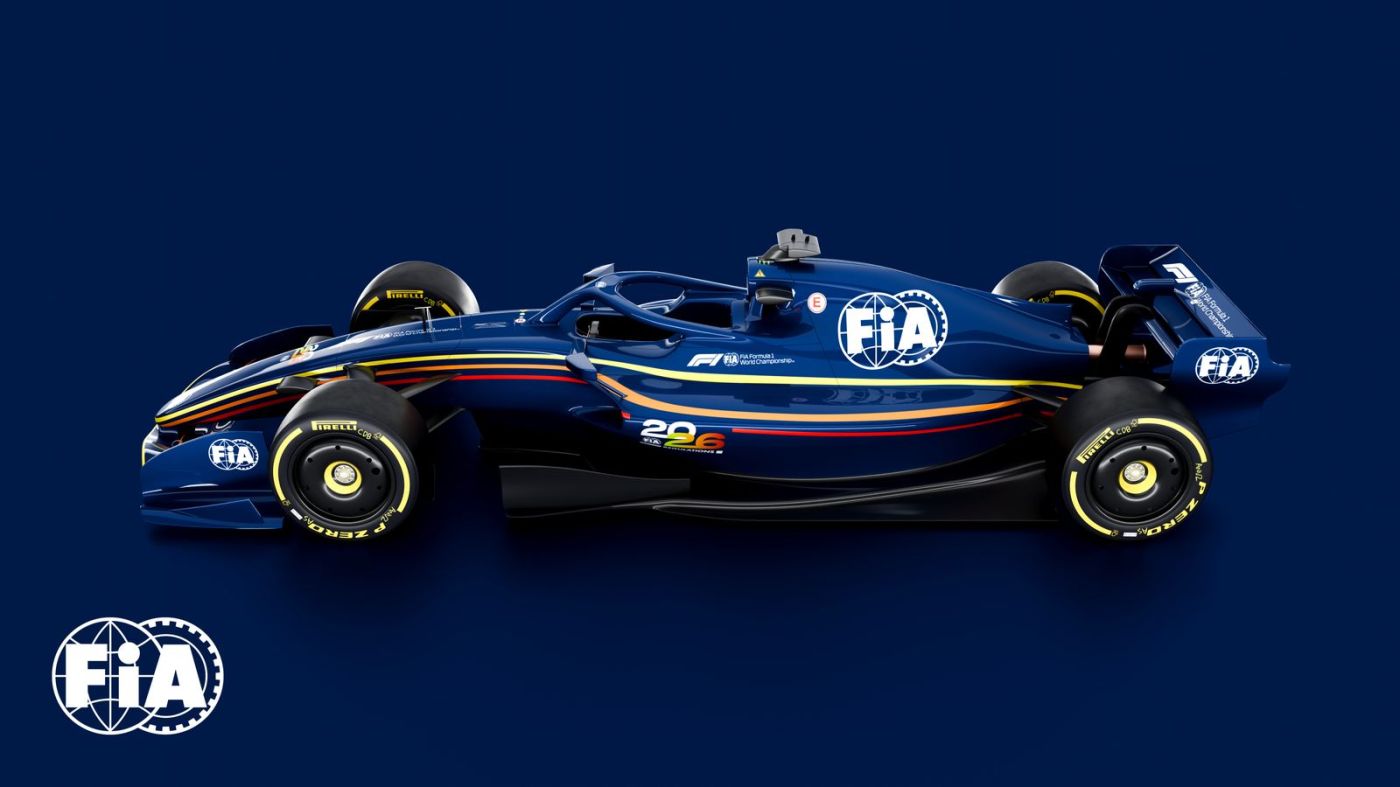
The FIA has recently announced the radical new regulations that will be introduced to Formula 1 in 2026, marking a major transformation in the sport. These regulations are designed to bring about a significant shift in the dynamics of racing, with a focus on sustainability, closer competition, and technological advancements.
One of the most notable changes will be the downsizing of the current cars, aiming to create a more level playing field and foster more intense racing encounters. This move is expected to invigorate the sport and captivate fans with heightened excitement on the track. The redesigned power units, set to have almost 300 per cent more battery power, reflect the sport’s commitment to sustainability, with an emphasis on a more balanced distribution between internal combustion and electric power.
FIA President, Mohammed Ben Sulayem, expressed his enthusiasm for the future of Formula 1 and emphasized the collaborative efforts involved in shaping these regulations. The comprehensive approach taken by the FIA, in conjunction with Formula One and the input from the 10 teams and various stakeholders, underscores the collective commitment to ensuring that the premier championship remains relevant and engaging in the evolving global landscape.
“Today, the FIA is defining a hugely exciting future for the pinnacle of motorsport with the launch of a comprehensive new set of regulations for the 2026 FIA Formula One championship and beyond,” FIA president Mohammed Ben Sulayem said.
“Following the publication of 2026 power unit regulations two years ago we have taken the opportunity to redefine the chassis regulations to match the energy requirement of the new power units.
“Collaborating with our partners at Formula One and with the assistance of the sport’s 10 teams and all our stakeholders this represents a unique revision that will ensure our premier championship is even more relevant to what is happening in the world.”
Furthermore, the introduction of a “nimble car” concept, characterized by a 30-kilogram weight reduction and narrower vehicle width, aligns with the aspirations of several drivers, including the renowned Lewis Hamilton. This shift in design aims to enhance agility and maneuverability, ultimately contributing to more thrilling and competitive races for both drivers and fans alike.
Additionally, the proposed removal of the Drag Reduction System (DRS) and its replacement with a Manual Override Mode represents a significant technological advancement. This new feature, designed to provide drivers with an electrical boost to overtake opponents, introduces an exciting element of strategy and skill into the races, potentially reshaping the dynamics of on-track battles.
With active aerodynamics systems, movable front and rear wings, and the ability for drivers to optimize performance with two different modes, the 2026 cars are poised to deliver a new era of exhilarating racing. These changes, coupled with the reduction of downforce and drag, promise to introduce a fresh dimension to the sport, heralding an era of innovation and competition.
The FIA’s new engine regulations have also garnered substantial support, with six power unit manufacturers – Ferrari, Mercedes, Renault, Honda, Audi, and Red Bull Powertrains – committing to the sport. Notably, Red Bull’s venture into producing their own engine, in partnership with Ford, marks a significant milestone for the team as they seek to further enhance their position in Formula 1. This bold move underscores the evolving landscape of the sport and the strategic decisions being made by key stakeholders to secure their competitive edge.
Looking ahead to 2026, the return of Honda as a power unit manufacturer, in partnership with Aston Martin, signals a compelling development in the sport’s engine dynamics. The entry of Audi, set to build their own engine and take over the current Sauber team, promises to introduce a fresh dimension to the competitive landscape, further enriching the technological prowess on display.
As the sport anticipates these revolutionary changes, it is evident that the Formula 1 landscape is poised for a transformative journey, redefining the parameters of competition, sustainability, and technological innovation. With these regulations in place, Formula 1 is poised to embark on an exciting new chapter that will captivate fans, challenge drivers, and propel the sport to unprecedented heights of excellence.
 World of sports
Leave a comment