
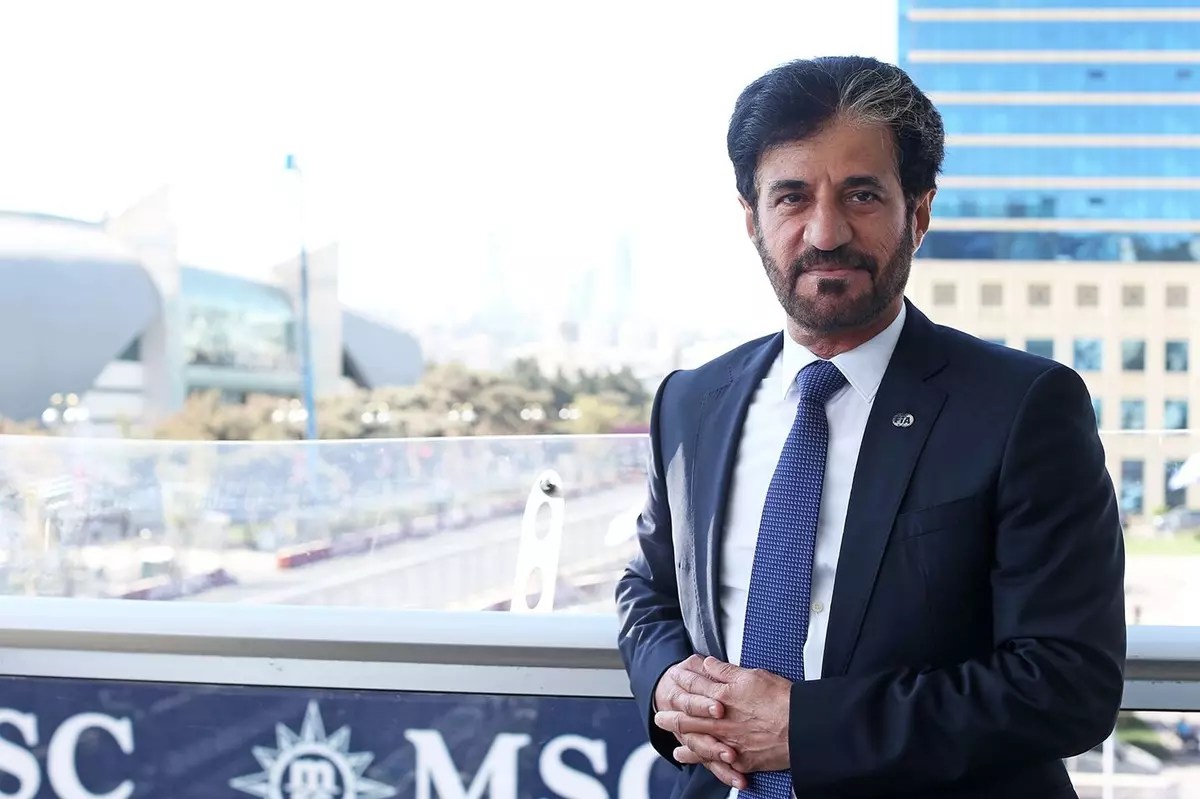
The Fédération Internationale de l’Automobile (FIA), the governing body for motorsport worldwide, has reaffirmed its leadership under Mohammed Ben Sulayem, who has successfully secured a second four-year term. The re-election took place during the FIA’s annual general assembly in Tashkent, Uzbekistan, and marked a significant moment for the organization as Ben Sulayem was the sole contender for the presidency. His unopposed status arose after other potential candidates decided to withdraw, primarily due to their criticisms of the election regulations laid down by the FIA.
Mohammed Ben Sulayem, now at the age of 64, has been overseeing the FIA since December 2021, following the notable tenure of Jean Todt. The fact that he ran without any challengers highlights a landscape of stability and support from the FIA membership. During his acceptance speech, he expressed heartfelt gratitude, stating, “Thank you to all our FIA Members for voting in remarkable numbers and placing your trust in me once again. We have overcome many obstacles, but here today, together, we are stronger than ever.” This assertion not only underscores his appreciation for the members’ confidence but also signals a collective commitment to progress for the organization.
As he steps into his new term, Ben Sulayem has reiterated his dedication to advancing the work of the FIA, focusing on key areas such as safety, sustainability, and the overall development of motorsport globally. Furthermore, he emphasized his desire to support member clubs in every region, highlighting a commitment to fostering a sense of community and collaboration across various motorsport disciplines.
The dynamics leading to his unopposed election also reveal underlying tensions regarding the eligibility criteria for candidates within the FIA. Noteworthy figures, such as American former steward Tim Mayer and Swiss-French racing driver Laura Villars, found themselves unable to comply with the stringent regulations that required candidates to nominate a vice-president from each of the FIA’s six global regions by a specified deadline. This situation has sparked discussions about inclusivity and representation, raising questions about whether such rules limit the diversity of leadership within the organization.
In response to these electoral challenges, Villars took steps to contest the regulations through legal channels in France. However, the Paris court’s decision earlier this month allowed the election to proceed as originally scheduled, indicating a resistance to disruption in the electoral process. Villars’ legal representative stated that, although the emergency proceedings upheld the election’s validity, they plan to continue addressing this matter in court, with a hearing set for February 16. This ongoing legal dialogue accentuates the need for reform and reassessment of FIA’s electoral guidelines, signaling that the debate over governance structures is far from concluded.
As Ben Sulayem occupies the presidency once again, he will undoubtedly face the challenge of steering the FIA through these turbulent waters while promoting an inclusive and representative environment. The organization claims that this election was conducted in line with its statutes and characterized the voting process as “robust and transparent,” seeking to reassure stakeholders of its commitment to democratic values and the collective voices of its international membership.
Thus, as he embarks on this renewed leadership journey, Ben Sulayem will need to address the pressing concerns of eligibility and representation while strengthening the FIA’s position in the global motorsport landscape. His vision for the next four years promises a renewed commitment to making meaningful advancements, ensuring that the FIA remains at the forefront of innovation and inclusivity within the motorsport community.
 World of sports
Leave a comment